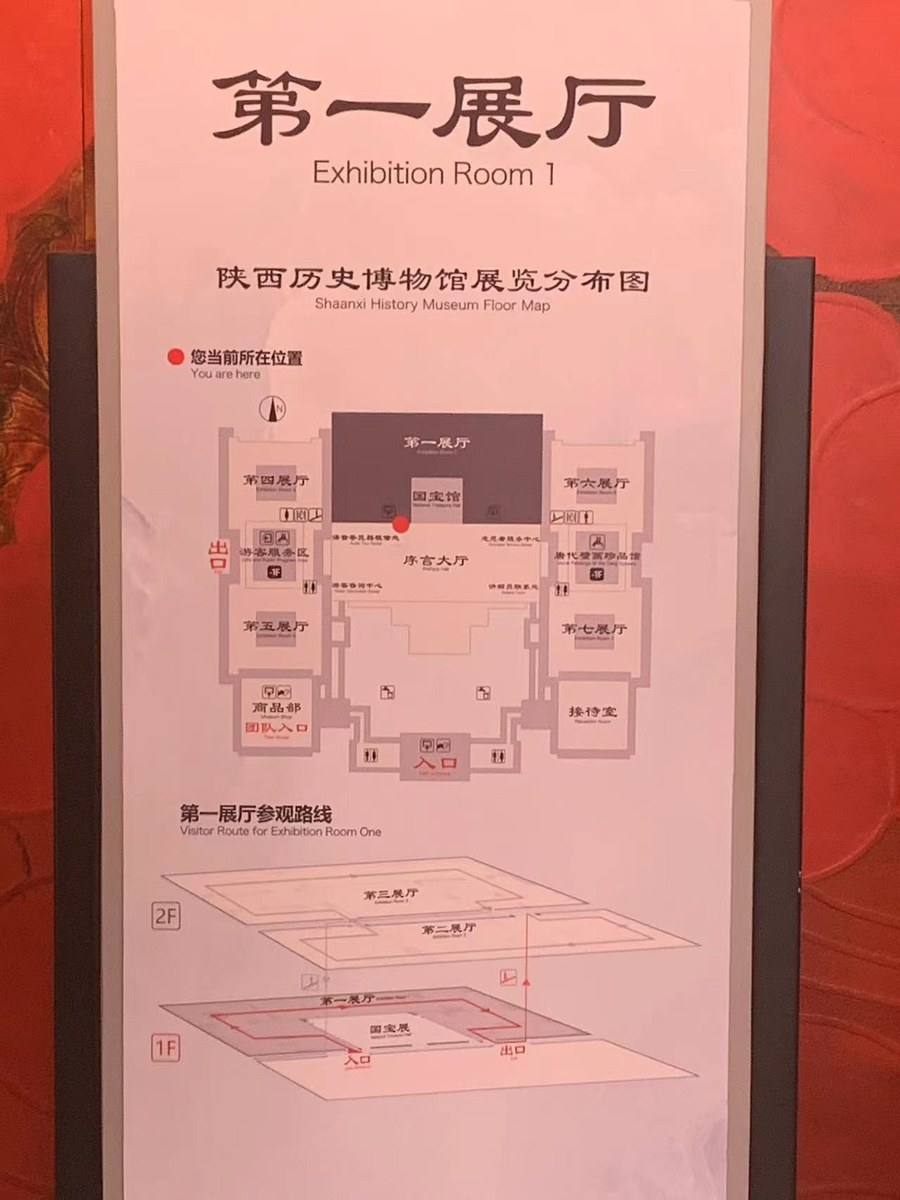
Shaanxi History Museum Travel Guide
Zhou, Qin, Han, Tang · Tang Dynasty Gold and Silverware · Mural Gallery
Shaanxi History Museum is known as the 'Pearl of the Ancient Capital.' Its permanent exhibition is arranged in the order of Zhou, Qin, Han, and Tang dynasties. The gold and silverware from the Hejia Village Hoard and the Tang tomb murals are the treasures of the museum. If you want to get the context straight before visiting the Terracotta Army, this is the best lesson.
This site only handles information compilation and itinerary design; prices and bookings are based on final confirmation.
Destination Details
The Shaanxi History Museum is located in the southern part of Xi'an, and the building itself is in Tang-style architecture. The permanent exhibition "Ancient Civilization of Shaanxi" is divided into three exhibition halls, covering from the Lantian Man to the Ming and Qing dynasties, with a focus on the Zhou, Qin, Han, and Tang dynasties — these four dynasties all had their capitals in the Guanzhong area, so the underground of Shaanxi serves as a physical footnote to the first half of Chinese history.
Key Highlights
First Exhibition Hall: Zhou and Qin
Bronze heavy artifacts are the stars here, arranged by ritual order, including tripods, food containers, and bianzhong (chime bells). In the Qin section, visitors can see aspects of daily life in addition to the Terracotta Warriors: weights, imperial decrees, and roof tiles, with evidence of unifying writing inscribed on these small items.
Second Exhibition Hall: Han and Wei-Jin
Han dynasty clay granaries, stoves, and stone reliefs vividly illustrate the concept of "handling death as if handling life." Imported objects brought by the opening of the Silk Road also appear here.
Third Exhibition Hall: Tang
The most bustling hall. Excavated from the Hejia Village cellars are octagonal gold cups with figures, mandarin duck lotus-petal patterned gold bowls, and agate cups inlaid with golden beast heads, showcasing top-tier craftsmanship and aesthetics. Adjacent is the Tang Tomb Mural Hall with an additional admission fee, but the hunting, travel, and palace women murals are extremely well preserved and worth setting aside separate time.
Suggested Duration
- 3 hours: Complete the three main exhibition halls.
- Over 4 hours: Include the Tang mural treasure hall.
- If short on time: Go straight to the third exhibition hall and the Hejia Village special section.
Local Tips
- The basic exhibition is free but requires real-name booking in advance; tickets are snapped up as soon as released.
- Flash photography is prohibited inside; tripods are not allowed.
- Within walking distance of the Giant Wild Goose Pagoda, so it can be scheduled on the same day.
Routes that include this stop
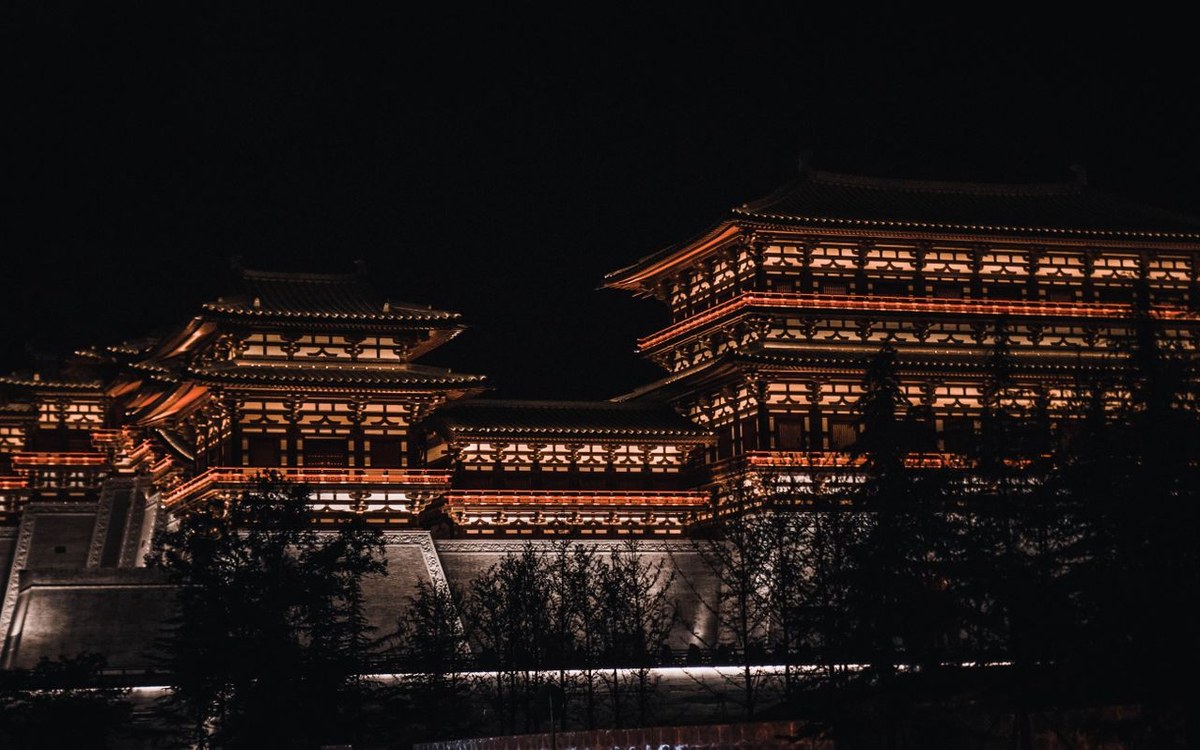 Essence of Han and Tang in 4 Days · Xi'an and Luoyang
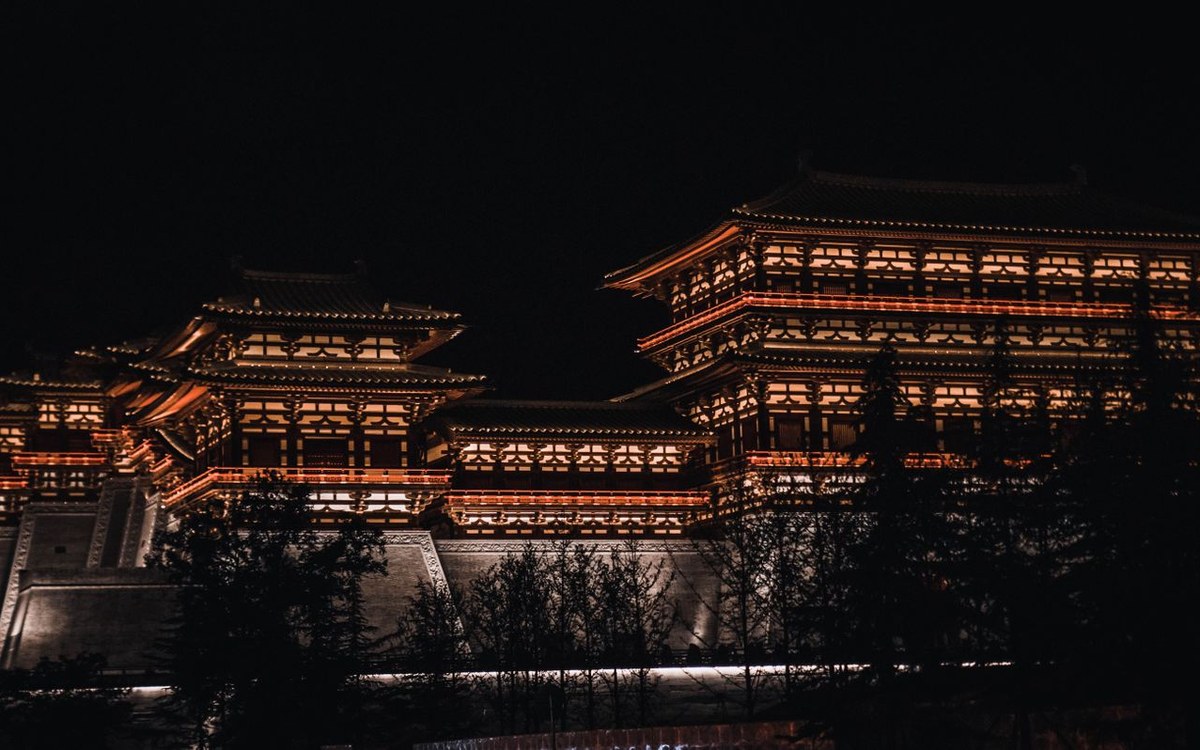 Han and Tang Classics 7 Days · Xi'an, Hanzhong, Luoyang
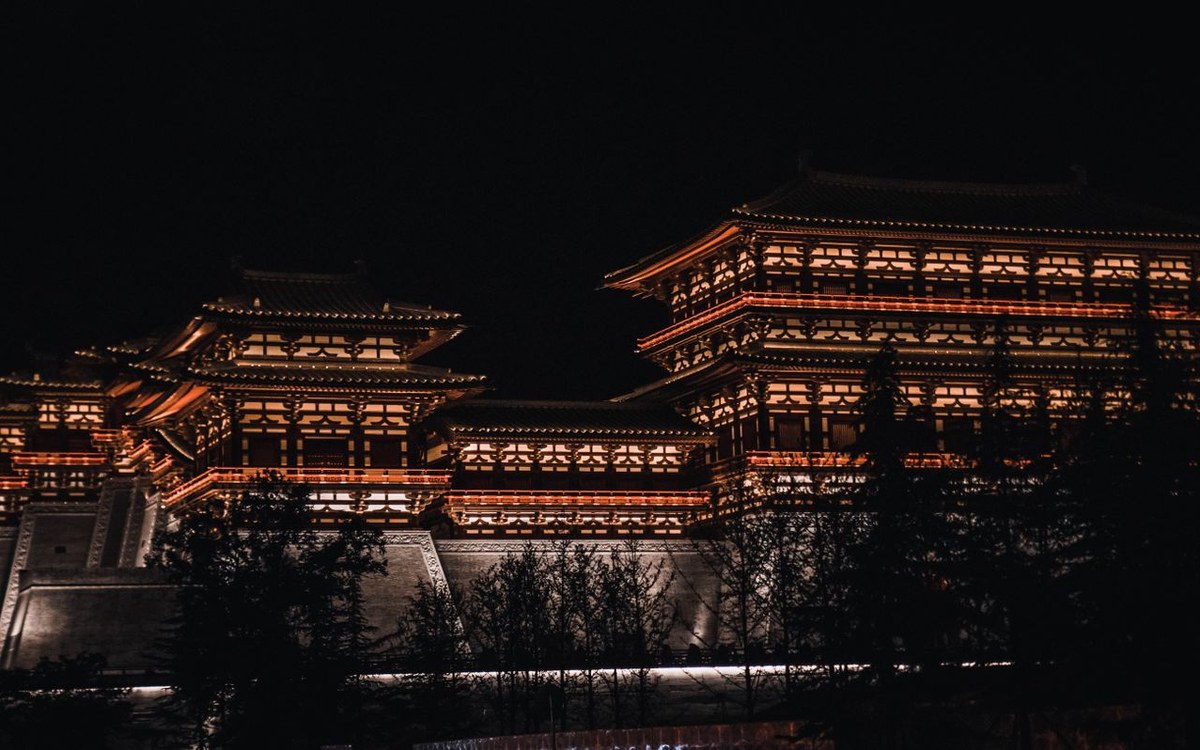 9-Day In-Depth Han and Tang Tour · Including Qianling Tomb and the Entire Hanzhong Route
 Hanzhong, Southern Shaanxi, 8th · Qinling Mountains and the Three Kingdoms
 Silk Road Classics 9 Days · Hexi Corridor Direct to Dunhuang
 Silk Road 13 Days · Full Route from Chang'an to Congling