Tracing the Silk Road
Twelve Hundred Years from Chang'an to Dunhuang
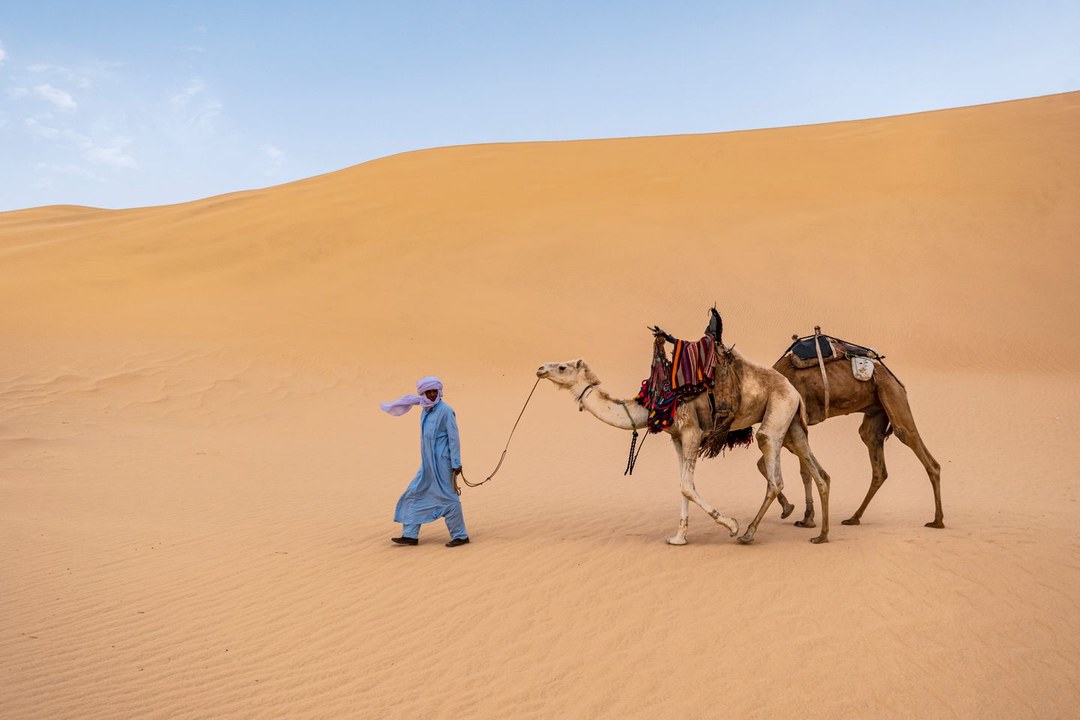
The Silk Road is not a single road, but a network of intersections. Caravans, monks, and envoys diverged here, ultimately leaving behind a thousand years of art and ruins.
Detailed Explanation of the Topic
The Silk Road is not a single road but a set of junctions. Since the Han and Tang dynasties, caravans, monks, and envoys moved between the oasis cities in the Hexi Corridor, where beliefs, art, and languages have overlapped for over a thousand years, ultimately leaving their marks in grottoes, passes, and ancient cities.
Eastern End: Chang'an
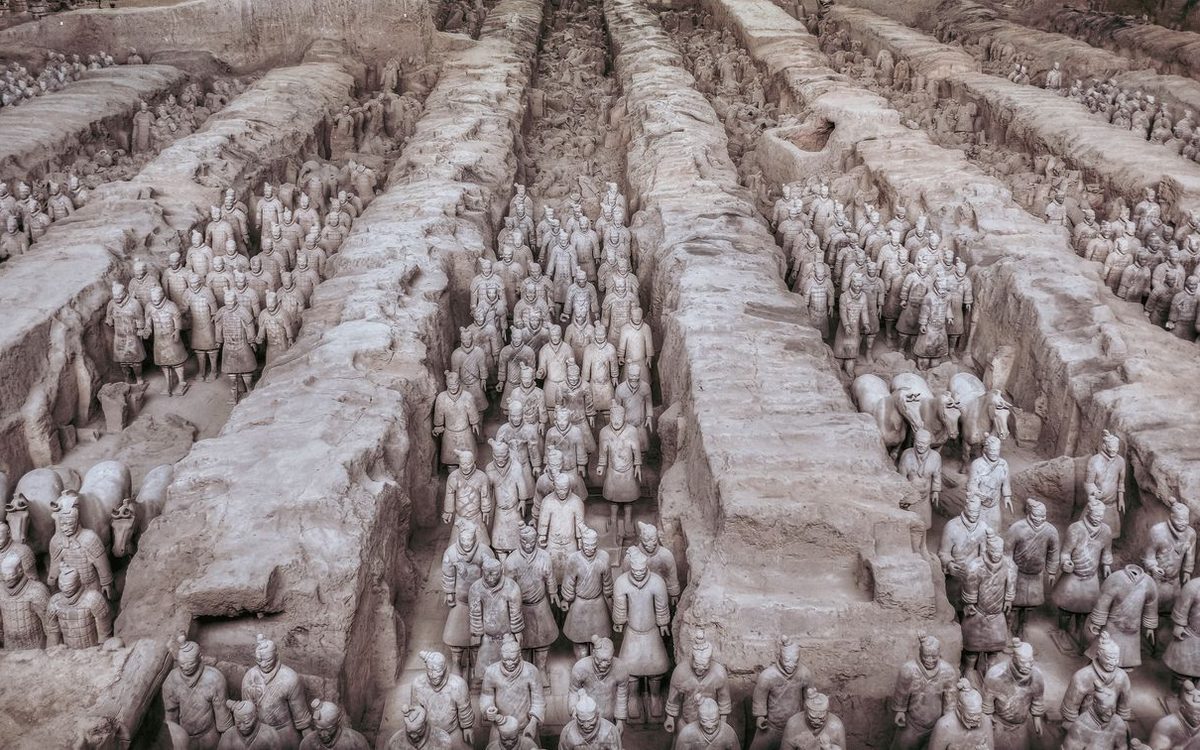
Xi'an is the eastern starting point of the Silk Road. The Qin Dynasty with the Terracotta Army, the Tang Dynasty with the Big Wild Goose Pagoda and the Tang Dynasty Nightless City, and the Ming Dynasty with the Ming city walls—all three layers of history lie on the same land. It is recommended to first create a timeline at the Shaanxi History Museum before seeing the actual artifacts, as the order will feel completely different.
Hexi Corridor
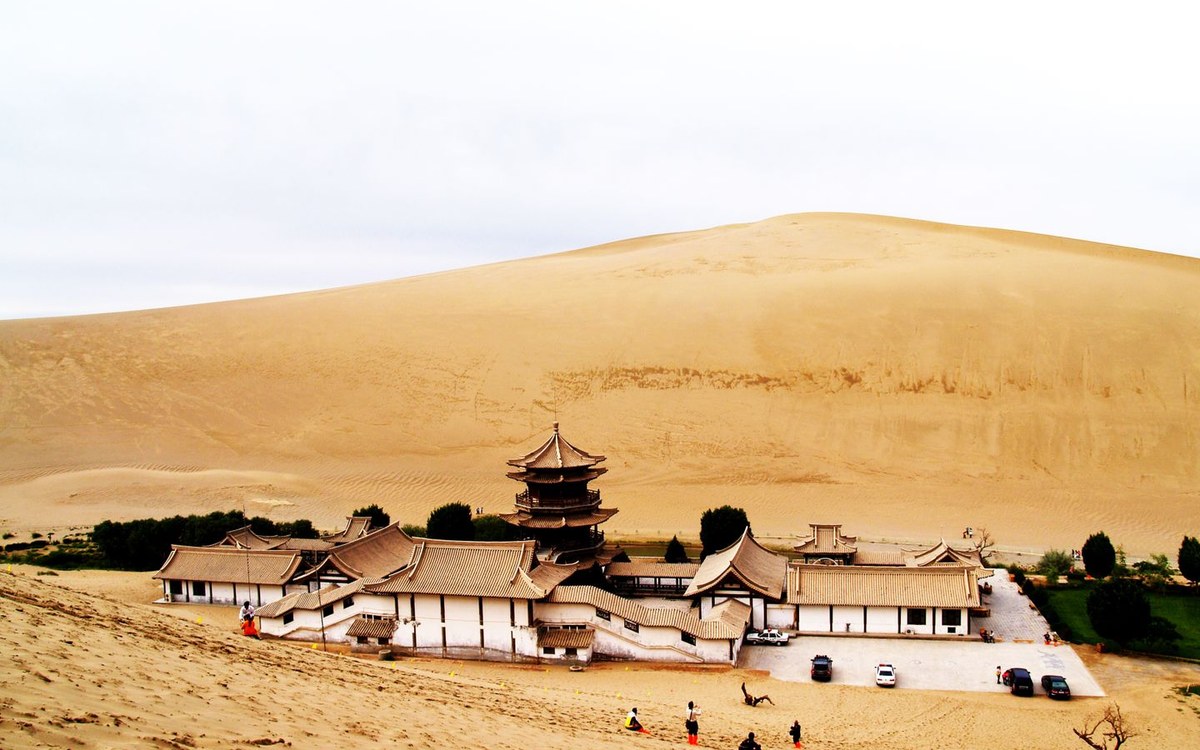
Lanzhou (with the Yellow River running through the city), Zhangye (with the Colorful Danxia and the Great Buddha Temple), Jiayuguan (the westernmost pass of the Ming Great Wall), Dunhuang (with the Mogao Caves and Crescent Lake) — all four stops are connected by high-speed rail, and the terrain transitions from loess, Danxia, and Gobi to desert.
Dunhuang
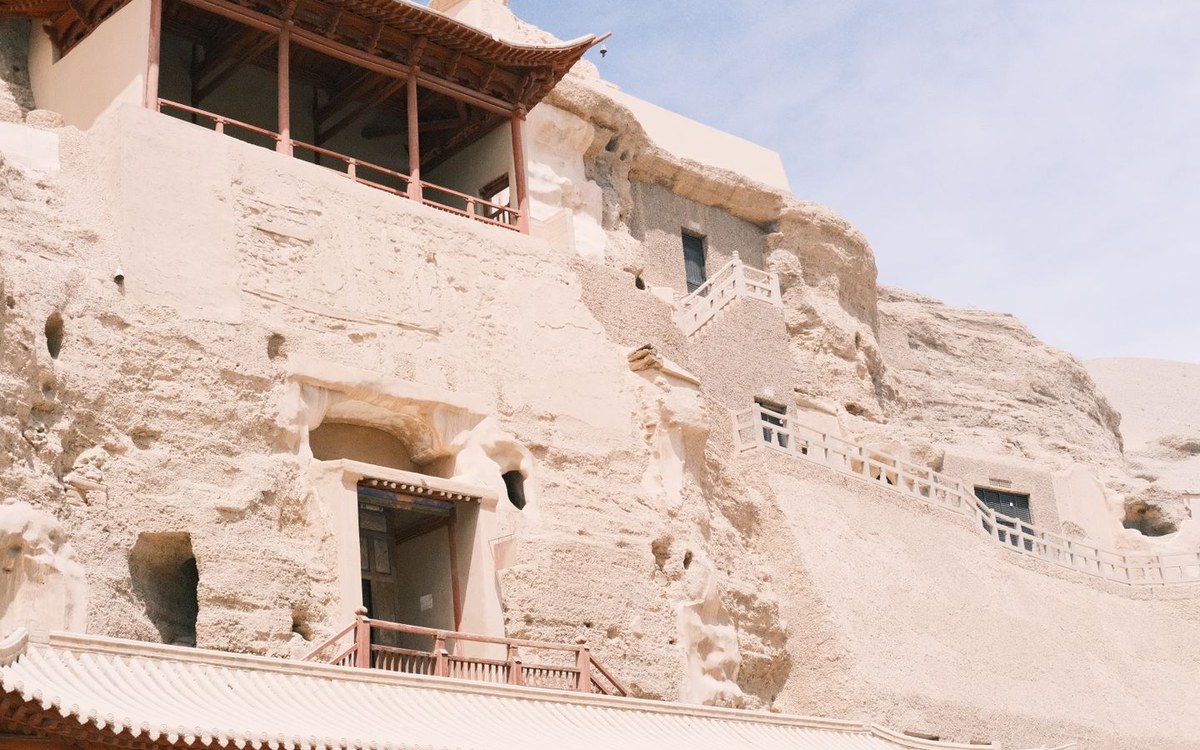
The Mogao Caves are the highlight of the entire route. Photography is completely prohibited inside the caves, and touching the murals is not recommended — the moisture and carbon dioxide exhaled by humans can be harmful to the thousand-year-old murals. Visits are guided by tour guides, and caves are allocated randomly; this is the usual protection protocol. The Digital Exhibition Center and the Display Center are the best places to understand the overall context, so don’t miss them.
The Addition of Qinghai Lake
Adding Qinghai Lake and Chaka Salt Lake before Dunhuang completes the Northwest Grand Loop: you can see six types of landscapes at once — plateau lakes, salt lakes, yardangs, Gobi, grottoes, and Danxia.
Routes in this theme (9)
 Xi'an and the Silk Road Hexi Corridor on the 8th
 Silk Road Qinghai Lake Grand Circuit 10 Days
 Hexi Corridor 6 Days · Lanzhou to Dunhuang
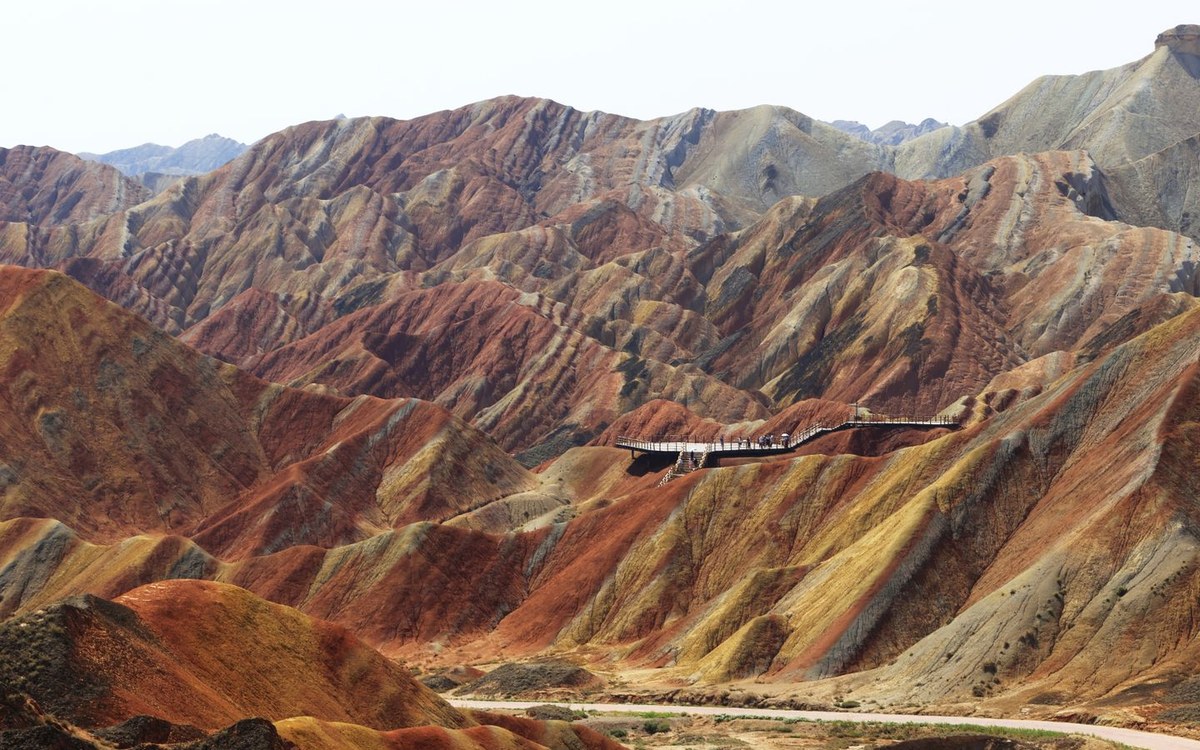 Gansu Panorama 8 Days · Corridors and Yadan
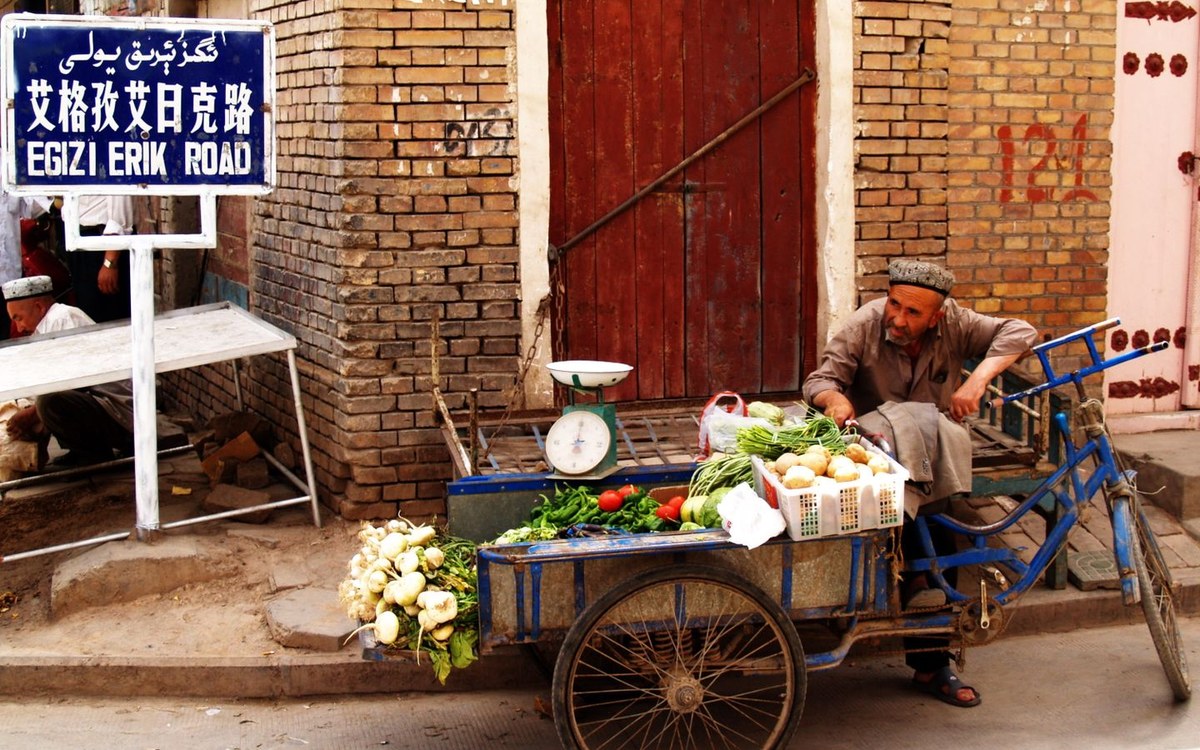 Southern Xinjiang Oasis 10 Days · Kashgar and Pamir
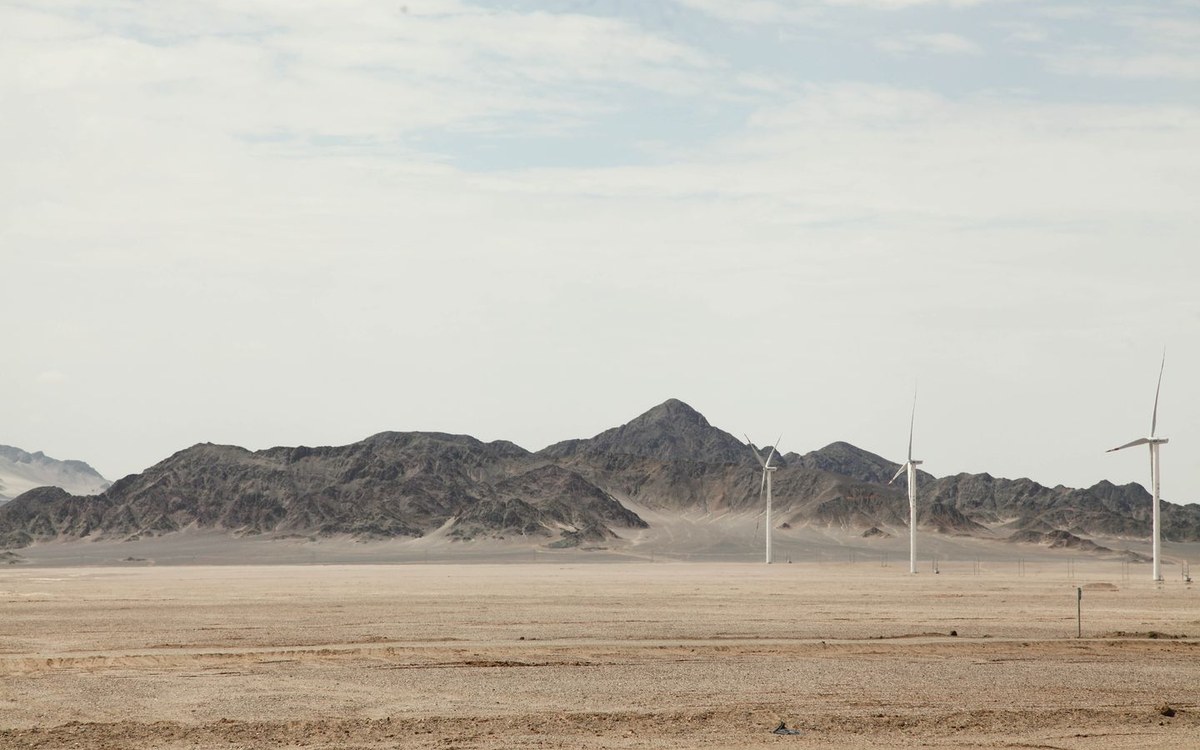 Qing-Gansu Grand Loop 9 Days · From Qinghai Lake to Dunhuang
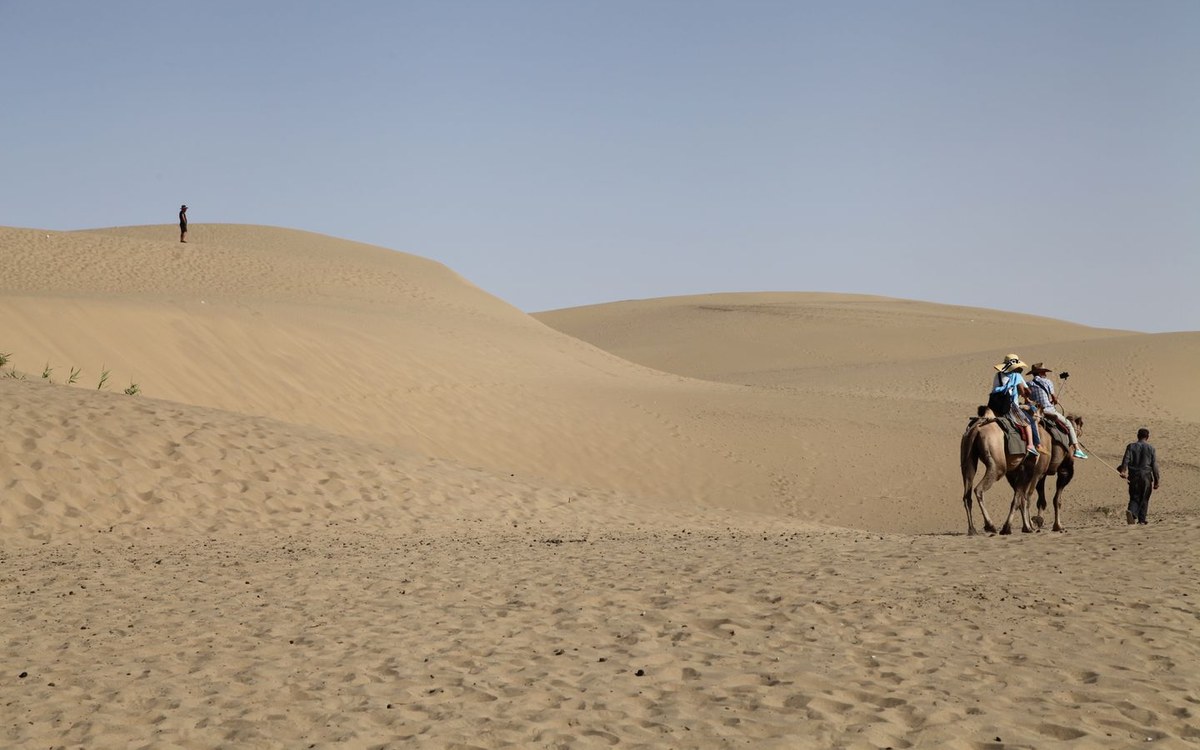 Silk Road Highlights 7 Days · Xi'an, Lanzhou, Zhangye, Jiayuguan, Dunhuang
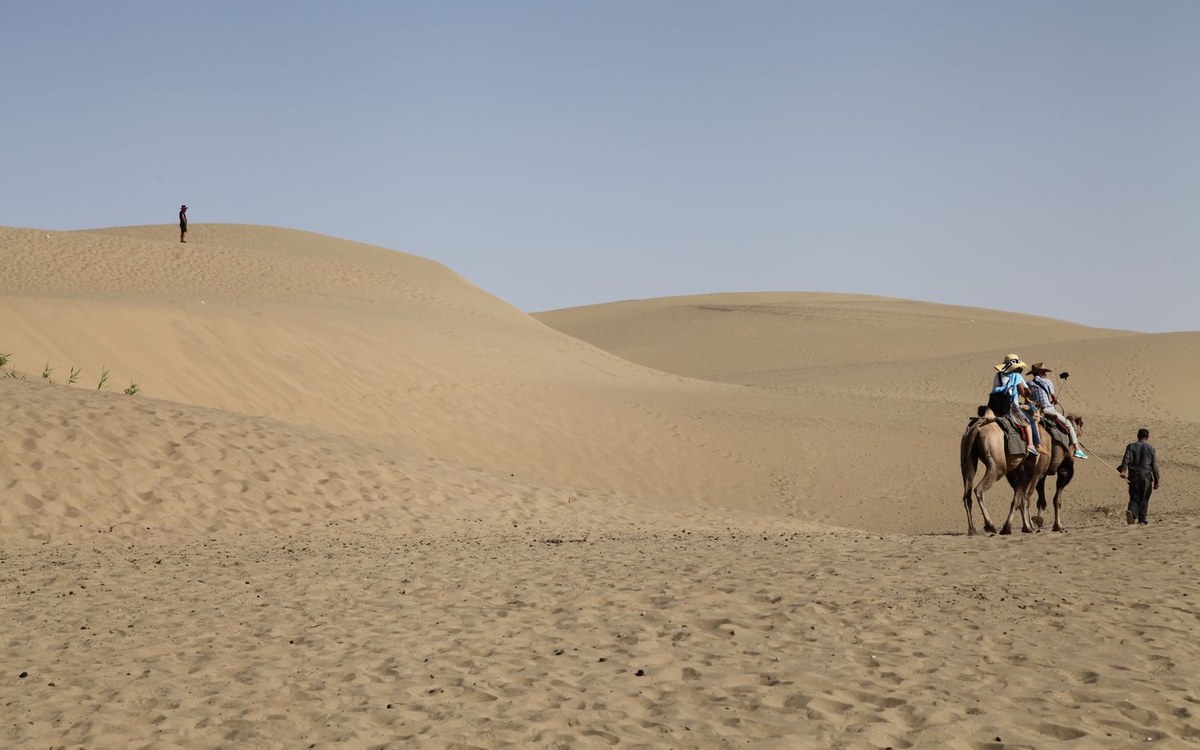 Silk Road Classics 9 Days · Hexi Corridor Direct to Dunhuang
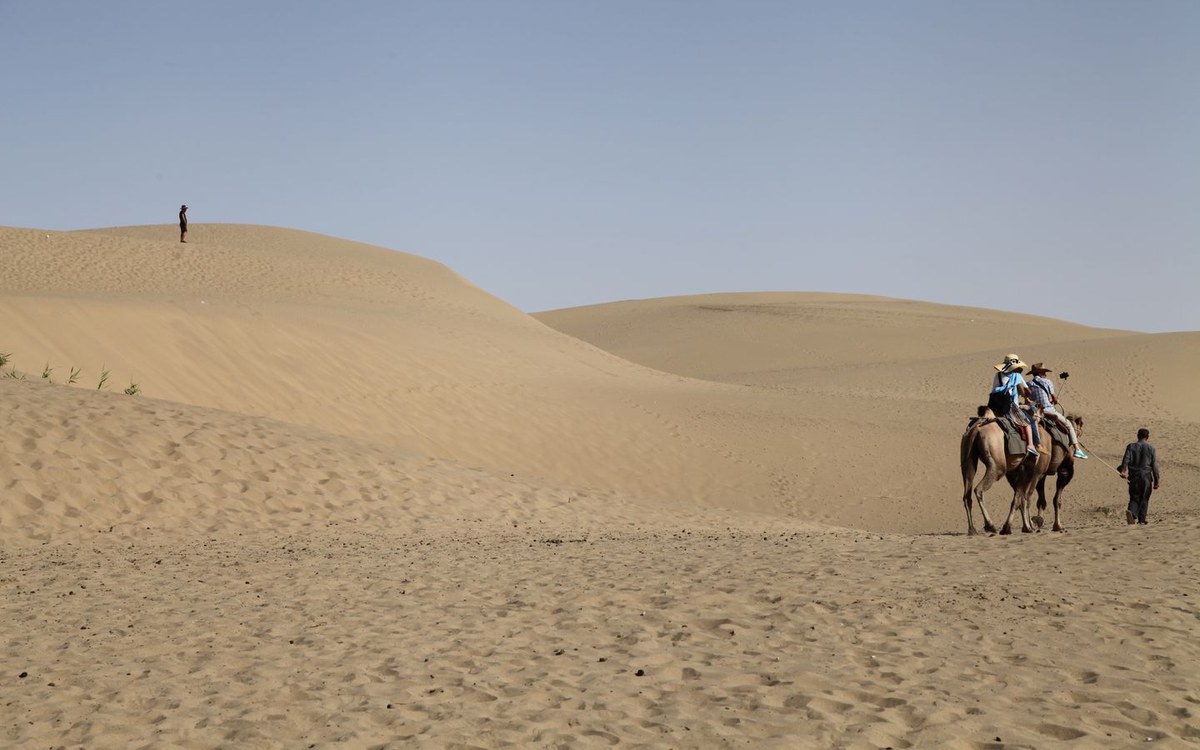 Silk Road 13 Days · Full Route from Chang'an to Congling
How to choose
| Route | Days | Price | Intensity | Best months | Cities |
|---|---|---|---|---|---|
| Xi'an and the Silk Road Hexi Corridor on the 8th | 8 days / 7 nights | ¥1,150 from / person | Medium | May to October | Xi'an / Lanzhou / Zhangye / Jiayuguan |
| Silk Road Qinghai Lake Grand Circuit 10 Days | 10 days / 9 nights | ¥1,650 from / person | Medium (including plateau section) | June to September | Xining / Chaka / Dachaidan / Dunhuang |
| Hexi Corridor 6 Days · Lanzhou to Dunhuang | 6 days / 5 nights | ¥690 from / person | Moderate | May to October | Lanzhou / Zhangye / Jiayuguan / Dunhuang |
| Gansu Panorama 8 Days · Corridors and Yadan | 8 days / 7 nights | ¥900 from / person | Moderate | May to October | Lanzhou / Zhangye / Jiayuguan / Dunhuang |
| Southern Xinjiang Oasis 10 Days · Kashgar and Pamir | 9 days / 8 nights | ¥1,210 from / person | Moderate | May to October | Urumqi / Turpan / Kashgar |
| Qing-Gansu Grand Loop 9 Days · From Qinghai Lake to Dunhuang | 8 days / 7 nights | ¥1,000 from / person | Moderate | June to September | Xining / Qinghai Lake / Dachaidan / Dunhuang |
| Silk Road Highlights 7 Days · Xi'an, Lanzhou, Zhangye, Jiayuguan, Dunhuang | 7 days / 6 nights | ¥1,150 from / person | Relaxed | May to October | Xi'an / Lanzhou / Zhangye / Jiayuguan / Dunhuang |
| Silk Road Classics 9 Days · Hexi Corridor Direct to Dunhuang | 9 days / 8 nights | ¥1,570 from / person | Medium | May to October | Xi'an / Lanzhou / Zhangye / Jiayuguan / Dunhuang / Kashgar |
| Silk Road 13 Days · Full Route from Chang'an to Congling | 13 days / 12 nights | ¥2,610 from / person | Moderately difficult | May to October | Xi'an / Lanzhou / Zhangye / Jiayuguan / Dunhuang / Turpan / Kashgar |