Lhasa Travel Guide
Potala Palace · Jokhang Temple · Namtso Lake · Nyingchi
Lhasa is one of the most significant destinations on the Chinese travel list: the scale of the Potala Palace, the faith scene at Jokhang Temple, and the highland lake colors of Namtso. This article organizes the procedures for entering Tibet, the pace for adapting to the plateau, and the best seasonal windows.
This site only handles information compilation and itinerary design; prices and bookings are based on final confirmation.
Destination Details
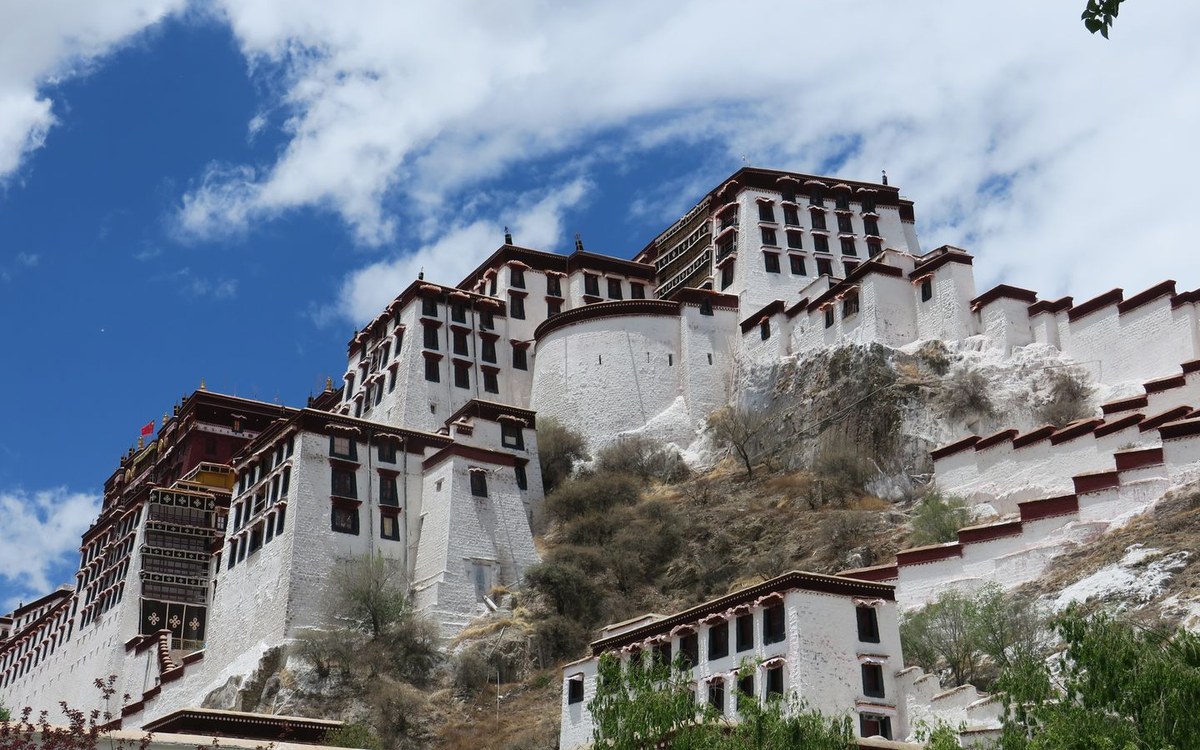
What truly impresses the Potala Palace is its relationship with the mountain: it is not built atop the mountain, but grows from its mid-slope. The Red and White Palaces stretch along the mountain's layers, appearing from afar like part of the rock formation. This approach of "making architecture into a continuation of the mountain" cannot be conveyed by any pictures
Key highlights
Potala Palace
Reservations and timed visits are required. Once inside, there are designated routes and durations, and photography is prohibited inside. It is recommended to first visit the Medicine King Mountain viewing platform outside (the spot on the back of the 50 RMB viewpoint) or Bu Gong Square to see the whole view, then enter inside to see the Ling Pagoda Hall and murals. The climb is obvious, so walk slowly and don't rush
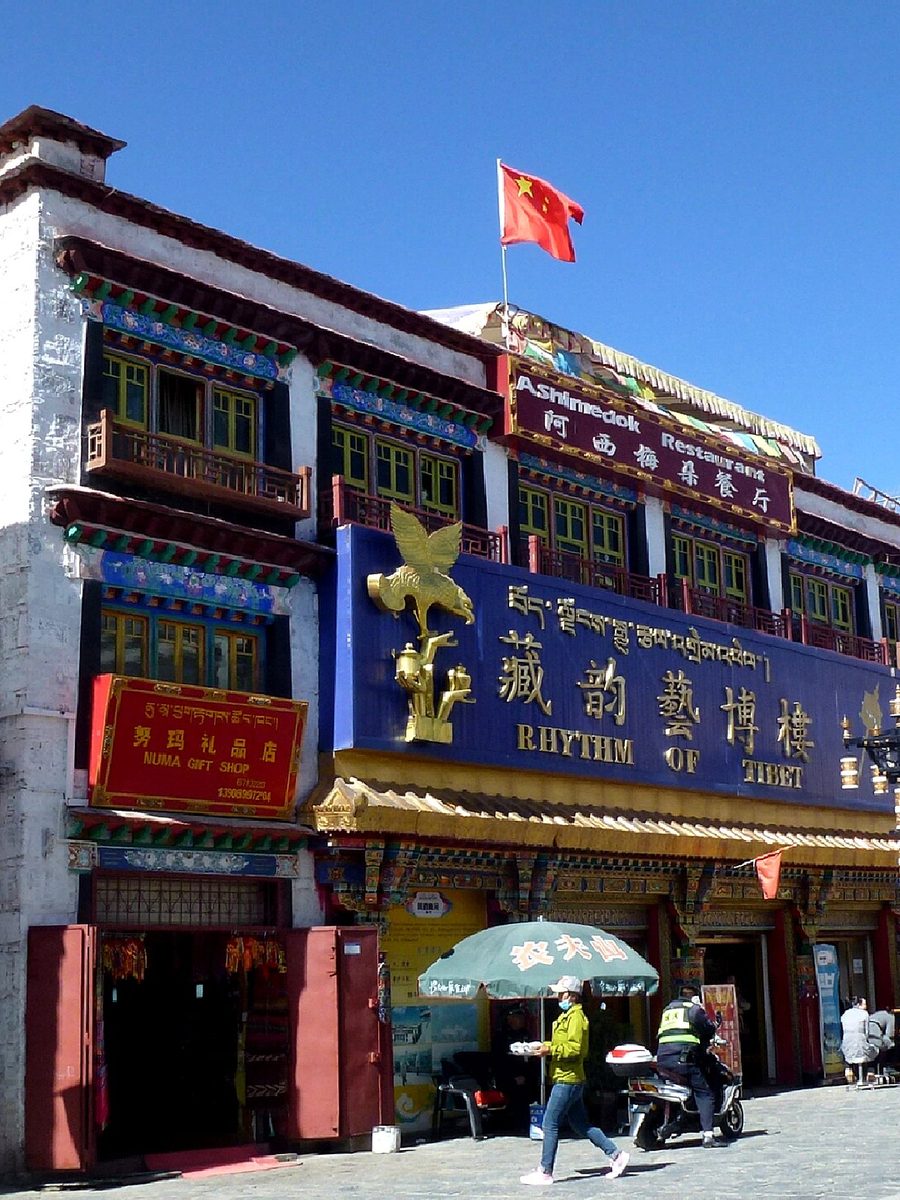
Jokhang Temple and Barkhor Street
Jokhang Temple is the center of Tibetan Buddhist worshippers, with people bowing their heads all day long in front of the temple. Barkhor Street is the prayer path, walking clockwise, about 1 kilometer in one loop. The number of worshippers is highest in the early morning and evening, and the atmosphere is the most authentic. Please do not walk against traffic or linger long on the prayer path for photos
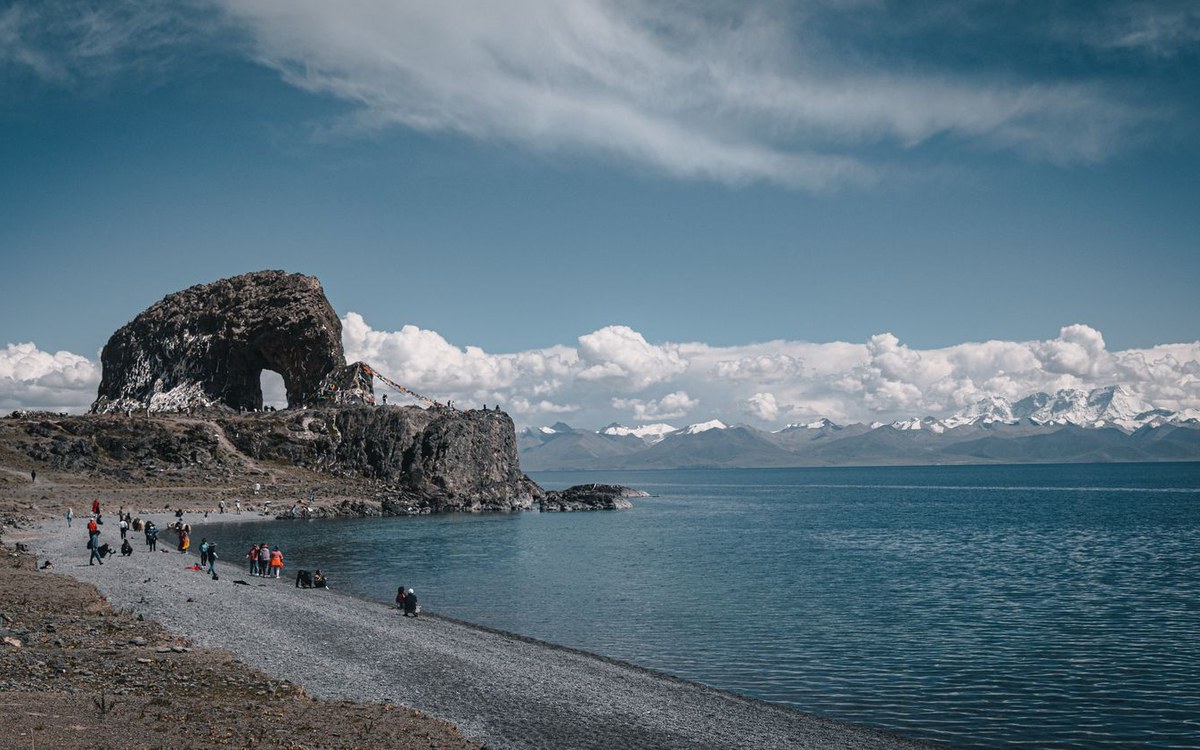
Namu Cuo
Theplateau saltwater lake at about 4,718 meters elevation is a relatively long drive from Lhasa (usually 4–5 hours one way). The lake's color changes dramatically with the weather; on sunny days, it's a bottomless blue. The round trip was rushed, and most people chose to stay by the lake overnight to watch the stars, but be mentally prepared for high-altitude sleep
From Nyingchi direction
At a lower altitude (about 3000 meters) and dense vegetation, it is known as the 'Jiangnan of Tibet.' It is often scheduled to acclimate in the days before arriving in Tibet, with the peak peach blossom season from March to April
Recommended stops and flow routes
- 5 days: Lhasa 1 day of acclimatization → Pu Palace, Jokhang Temple, Drepung Monastery/Sera Monastery→ Namtso 1 day
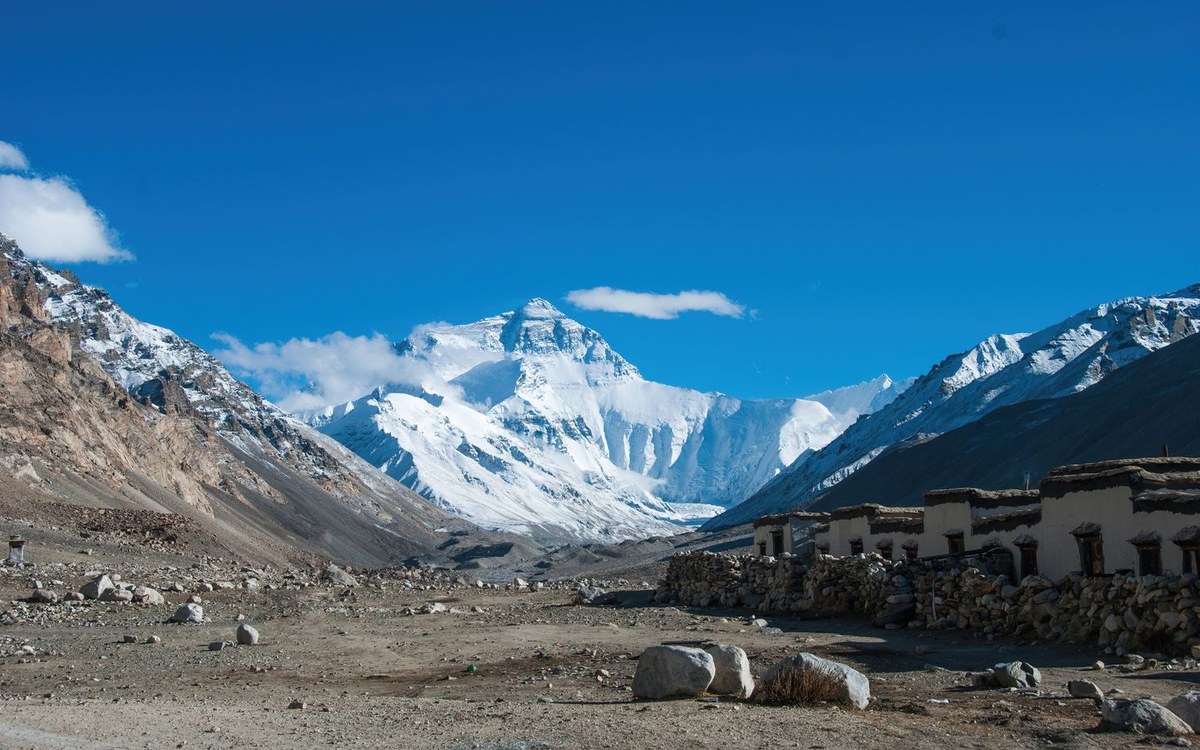
- 8 days: 2–3 days in Linchi, or heading to Shigatse or Everest Base Camp The
- Qinghai-Tibet Railway allows the body to gradually adapt, making it the mildest way to react
The best season
May to October. May–June and September–October offer the most stable weather and good visibility; July and August are rainy seasons but have relatively high oxygen levels and feel comfortable; November to April still have good sunshine and few tourists, but temperatures are low and roads in some areas are affected by snow
Local reminder
- Altitude sickness: For the first two days, be sure to rest, walk slowly, avoid alcohol, drink plenty of warm water, and provide oxygen if necessary
- Entry procedures and document requirements will be adjusted, so be sure to check with official channels before departure
- Photography is mostly prohibited inside the temple, and circumambulation is always clockwise.
- UV rays are very strong, so sunscreen, lip balm, sunglasses, and hats are all essential.
Province
This entry belongs to Tibet (2 ready-made routes), and you can compare all routes in the province from the province page.