Dali Travel Guide
Erhai Lake · Three Pagodas of Chongsheng Temple · Cangshan Mountain · Ancient Bai City
The pace of Dali is slower than Lijiang: the nineteen peaks of Cangshan press behind the ancient town, with Erhai Lake in front. This site organizes the best sections of the West Ring Road along the lake, the trade-offs between cycling and driving, and the timing for Bai villages and markets.
This site only handles information compilation and itinerary design; prices and bookings are based on final confirmation.
Destination Details
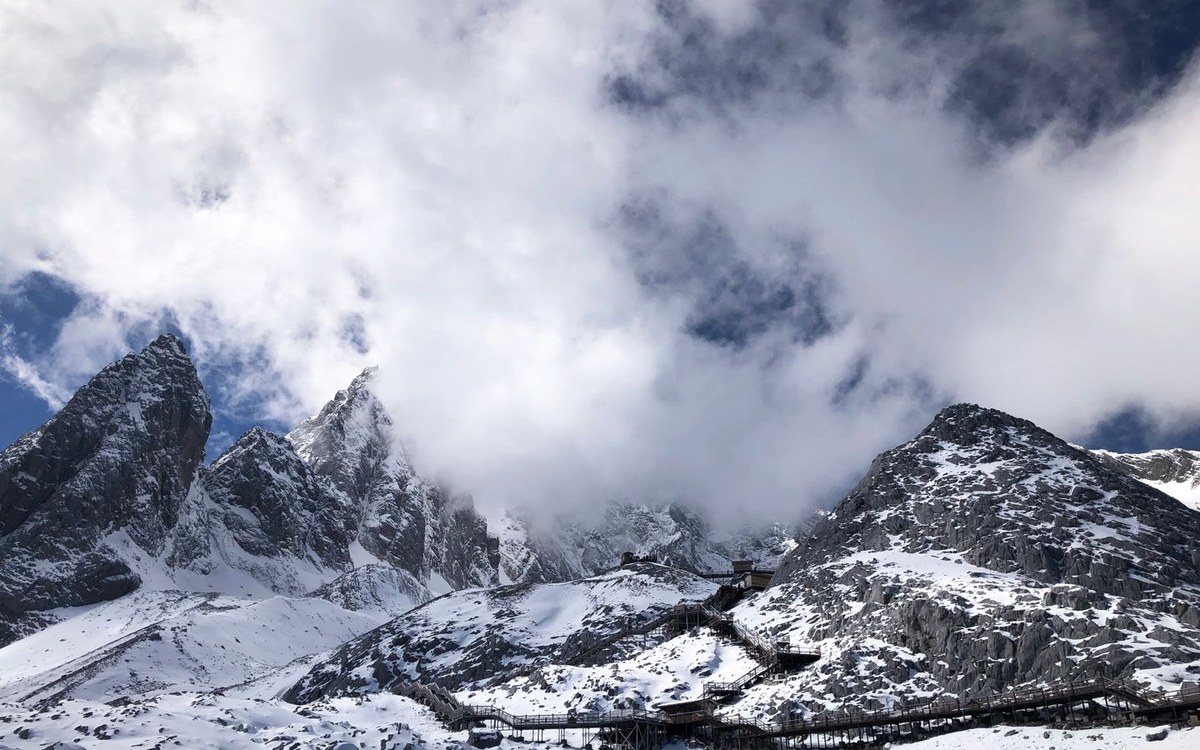
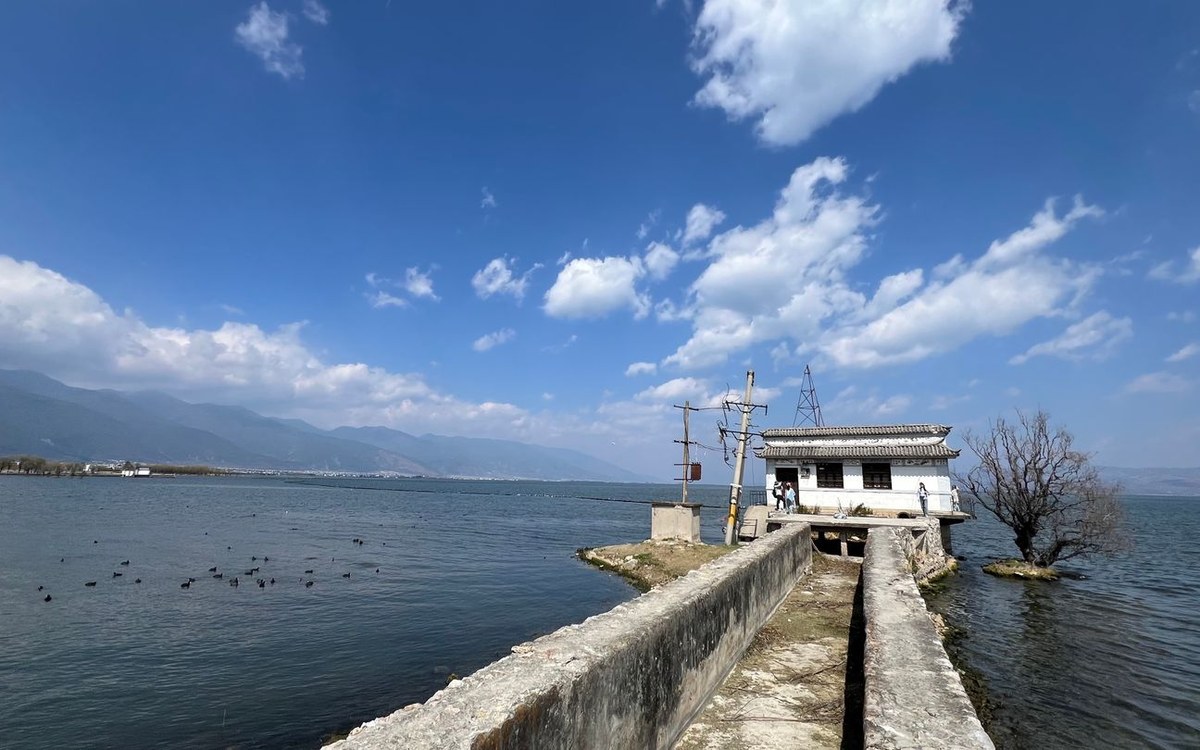
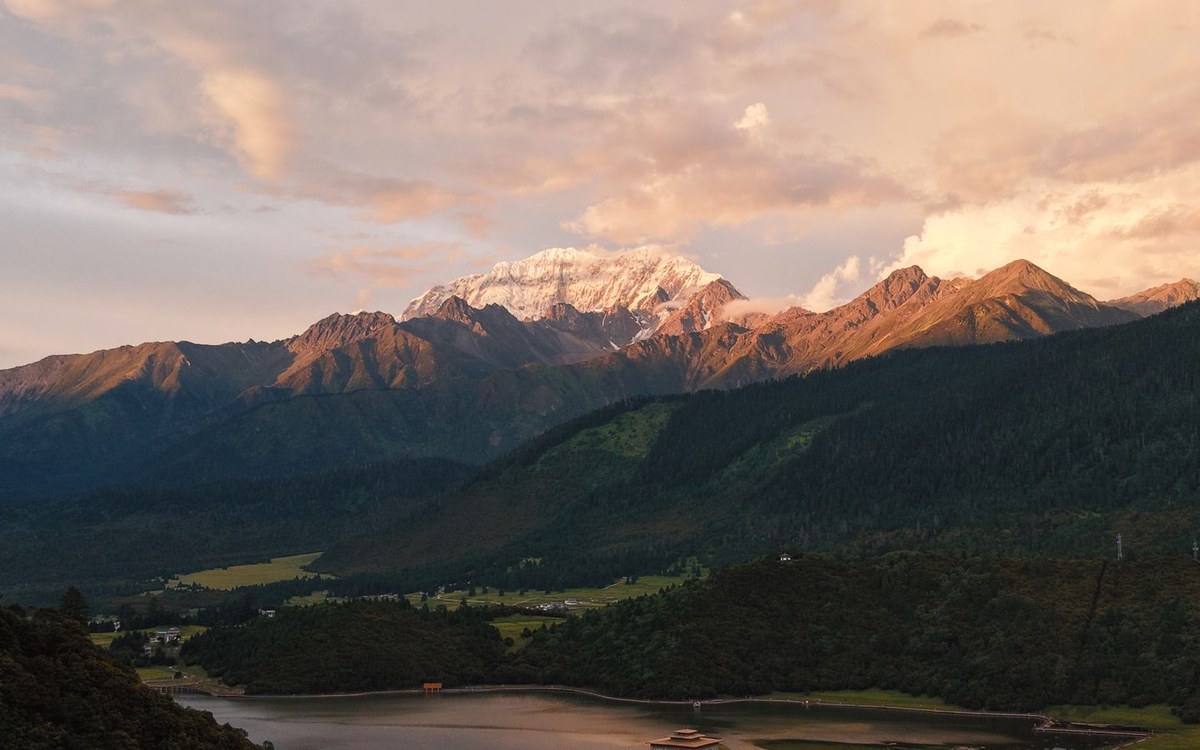
Dali's terrain is three layers of 'mountains—city—lake': behind are the nineteen peaks of Cangshan, in the middle is the ancient city and a dam, and in front is Erhai Lake. This structure makes it beautiful from almost every angle, making it the best place in Yunnan to 'leave out nothing.'
Key highlights
Erhai Lake encircles the lake
Huanhai West Road is the most prime section, stretching north from the ancient town to Xizhou and Shuanglang, passing wetlands, Bai villages, and open water along the way. Riding an electric bike is the most flexible, but pay attention to range and weather; If you're driving, be aware that some sections have traffic control. Morning and evening lighting is best, but at noon, the water surface has no layers
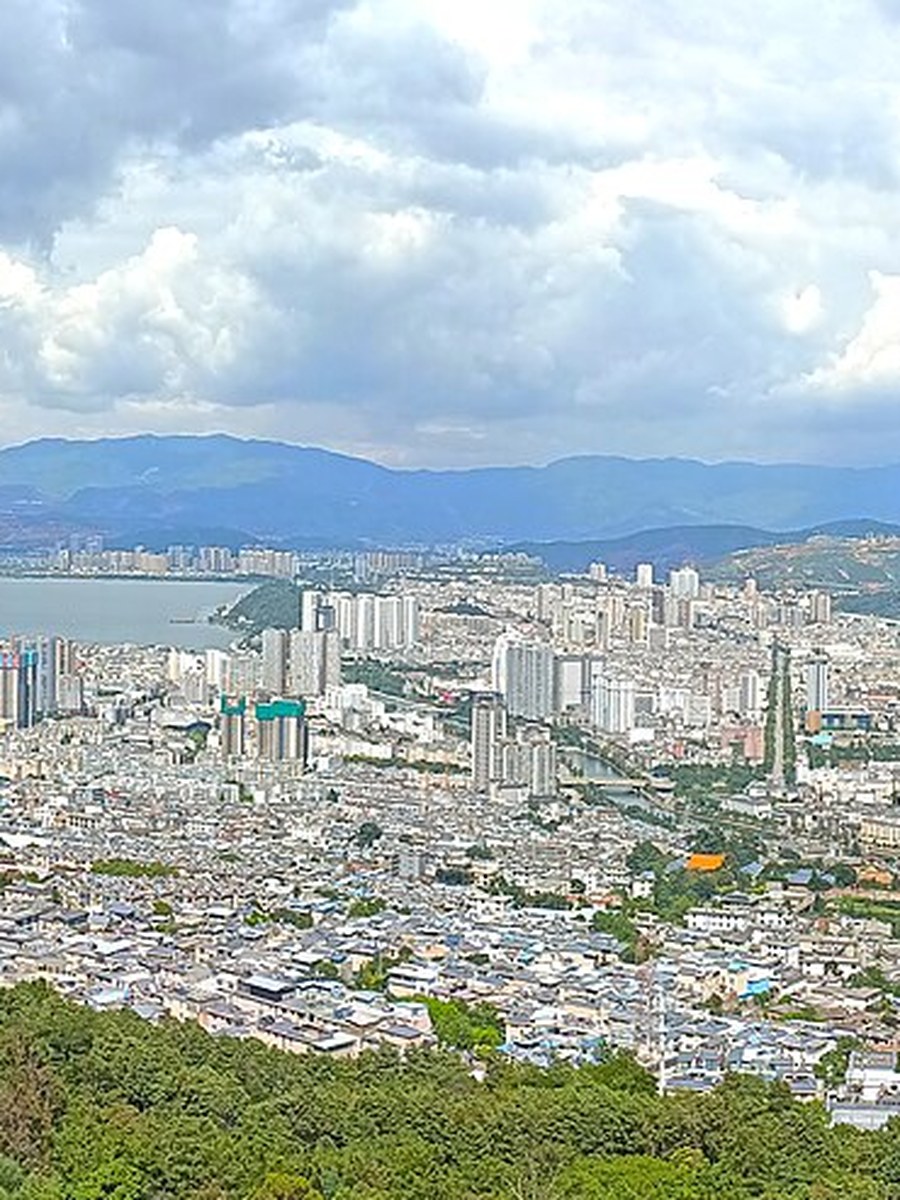
The ancient city of Dali
Renmin Road and Foreigners' Street are the main tourist streets, while Fuxing Road and the surrounding alleys are quieter. The city's Confucian Temple, Christian Church, and Bai ethnic residences are mixed together. From the city tower, you can see the skyline toward Cangshan, and the twilight is the most beautiful
The Three Pagodas of Chongsheng Temple
Relics from the Dali Kingdom period, the reflection of the three pagodas in the Gathering Shadow Pool is the most classic composition. The temple area is built along the mountain, and the view improves as you go upward. Its relationship with the ancient city is a 'royal temple vs. secular city,' with the main focus being its regulations
Xizhou and the surrounding villages
Xizhou preserves many Bai ethnic courtyards, with a typical layout of "three wards and one screen wall, four courtyards and five courtyards." The town's markets and baba are local daily life, much more authentic than the commercial streets in the ancient city. You can experience tie-dye in Zhou Village
Recommended stops and flow routes
- Day 2: Ancient city, half-day on Huanhai West Road, Chongsheng Temple Three Pagodas
- Day 3: Half-day on Jiaxi Island and Shuanglang, or Cangshan Cableway
- There is a high-speed train connecting it to Lijiang, forming the 'Kunming—Dali—Lijiang' route, which is the most common three-stage train in Yunnan
The best season
March–May and September–November. During the rainy season (June–August), the clouds are thick, but Erhai's clouds change dramatically, making photography surprisingly pleasant. Winter is the dry season with high visibility, and the snow lines on Cangshan are clear, making it a different kind of beauty
Local reminder
Always- wear a helmet when cycling around the lake; some sections may be mixed with motor vehicles High
- altitude UV rays are strong, so you need to apply sunscreen for long periods outdoors
- There are ecological reserves along the Erhai shore; do not enter the water or enter enclosed areas
- Most guesthouses are concentrated along the ancient city and coastal area, so be sure to book early during peak season.
Province affiliation
This entry belongs to Yunnan (3 existing routes), and you can compare all routes in the province from the province page.