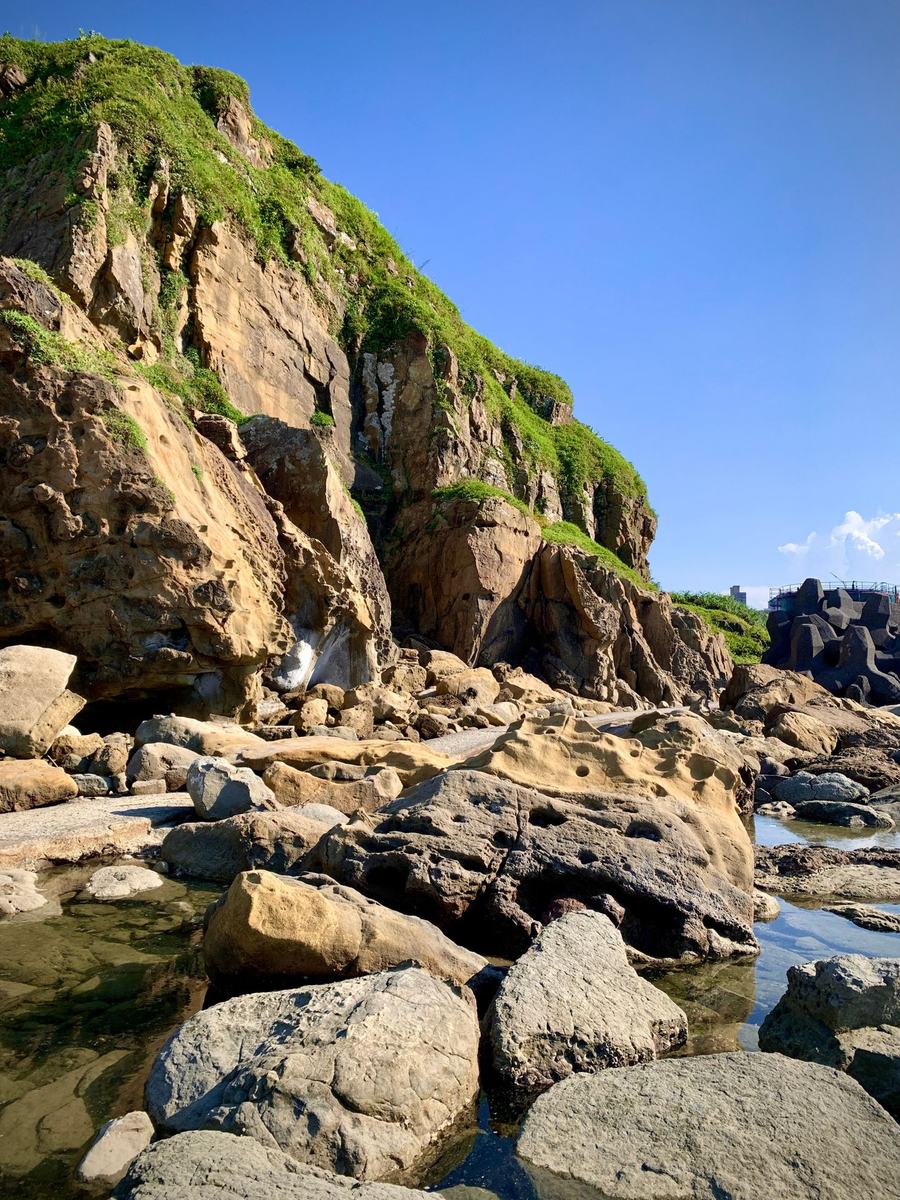
Longmen Grottoes Travel Guide
Vairocana Buddha · Fongxian Temple · Xiangshan Temple
The Longmen Grottoes are royal grottoes carved after the Northern Wei moved their capital to Luoyang, spanning the Eastern Wei, Western Wei, Northern Qi, Sui, and Tang dynasties for more than four hundred years. There are currently over 2,300 caves and niches, with nearly 110,000 statues. The Vairocana Buddha of Fengxian Temple is one of the highest achievements of Tang dynasty sculpture.
This site only handles information compilation and itinerary design; prices and bookings are based on final confirmation.
Destination Details
The Longmen Grottoes are located about 13 kilometers south of Luoyang city on both sides of the Yi River, with the Western Hills facing the Eastern Hills. The Yi River runs through the middle, so the grottoes are divided into the Western Hills and Eastern Hills sections. The walking route follows a one-way loop: Western Hills Grottoes → Cross the bridge → Xiangshan Temple → Baiyuan → Exit the scenic area.
Key Highlights
Fengxian Temple's Vairocana Buddha
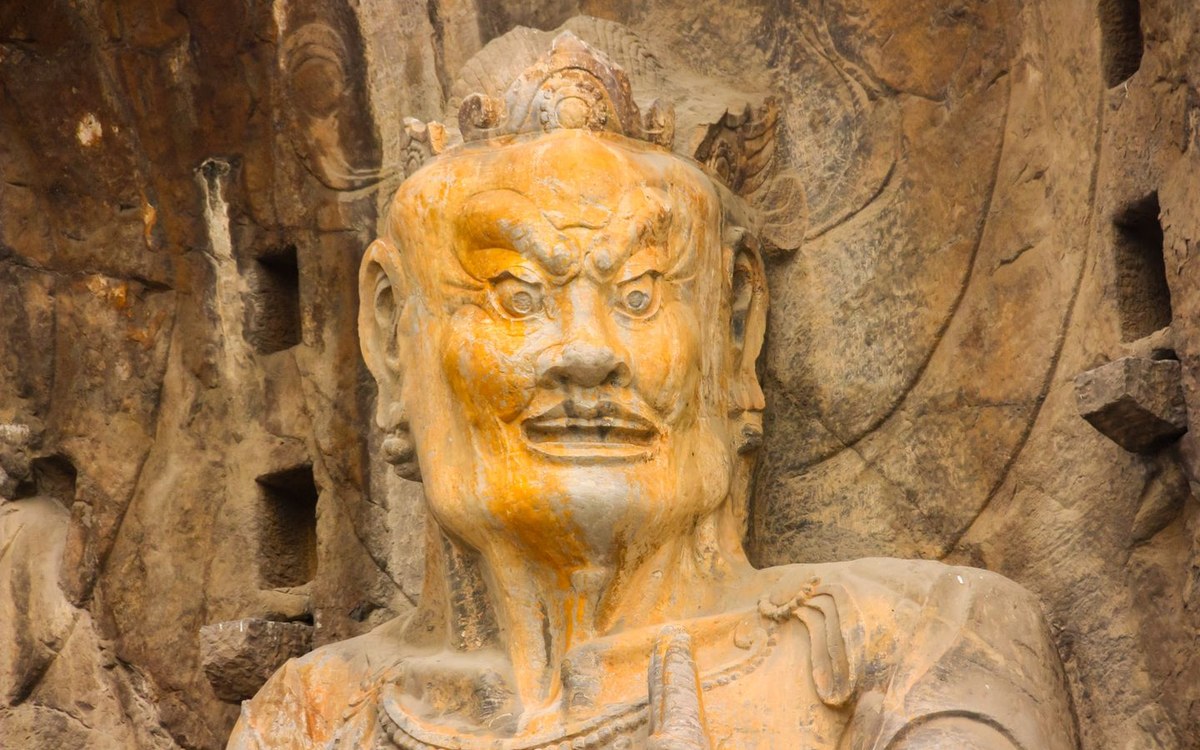
Standing 17 meters tall, it is the largest Buddha in Longmen. It is said to be modeled after Empress Wu Zetian, with a full face and downward gaze. When viewed from below, the proportions have been perspective-corrected, creating a visually harmonious effect. The disciples, bodhisattvas, heavenly kings, and guardian figures on both sides are well-preserved, serving as a complete example of Tang dynasty stone carving.
Binyang Three Caves
A representative work of the Northern Wei royal project. The central cave's "delicate-boned clear figures" contrast sharply with the plumpness of the Tang Dynasty sculptures, allowing direct observation of the aesthetic differences between the two eras.
Ten Thousand Buddhas Cave and Guyang Cave
The walls of the Ten Thousand Buddhas Cave are densely covered with small niches, and it is one of the main sources of masterpieces from the "Twenty Calligraphy Styles of Longmen"; Guyang Cave is the earliest excavated cave.
Recommended Duration
- 3 hours: Western Hills Grottoes → Cross the bridge to Xiangshan Temple.
- 4 hours or more: Add Baiyuan and the entire Eastern Hills.
Local Tips
- The scenic area's trails are long and have many steps; elderly visitors with lower stamina may consider only viewing the core section of the Western Hills.
- Touching the grottoes is prohibited; some caves are covered with glass.
- There is no shade at noon, and the light in the early morning and late afternoon is more suitable for viewing the volume of the stone carvings.
Routes that include this stop
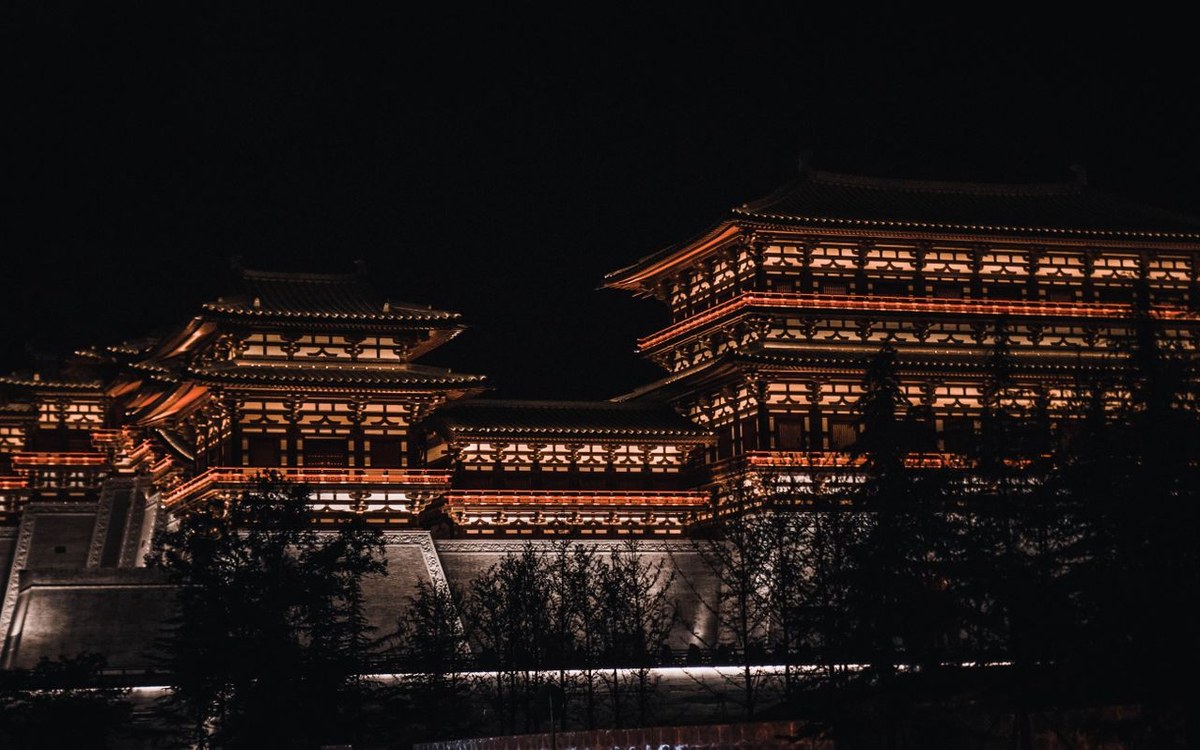 Essence of Han and Tang in 4 Days · Xi'an and Luoyang
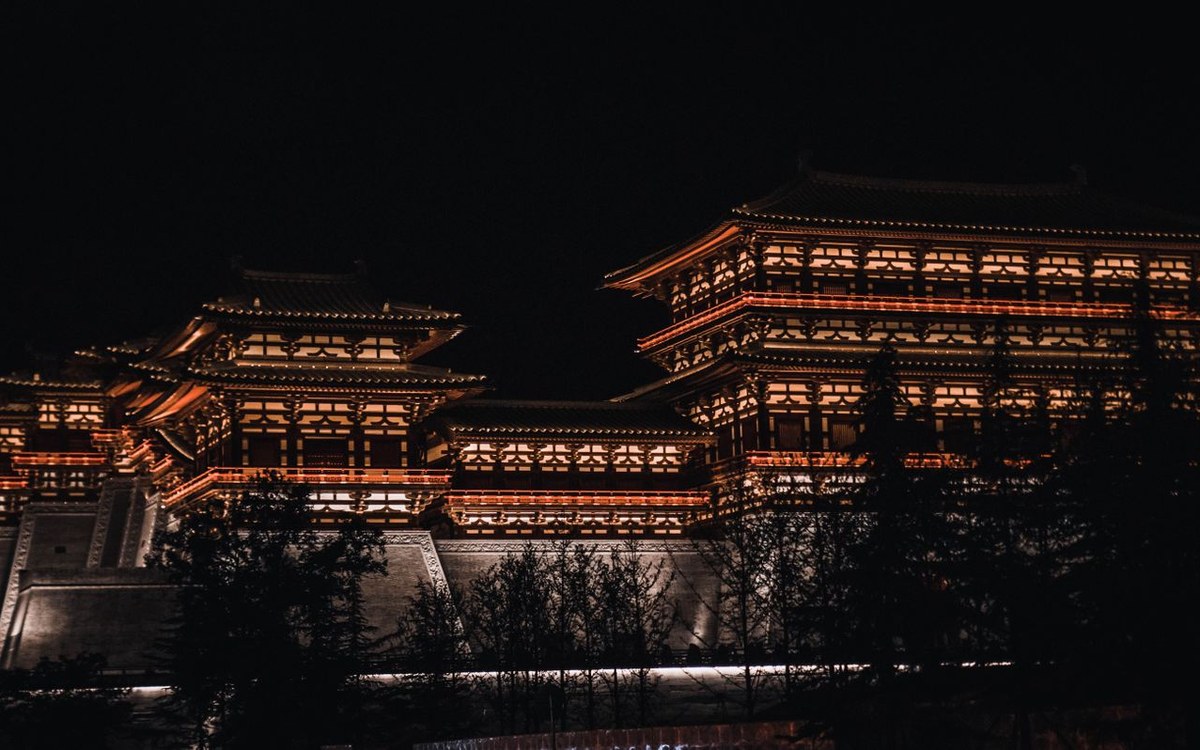 Han and Tang Classics 7 Days · Xi'an, Hanzhong, Luoyang
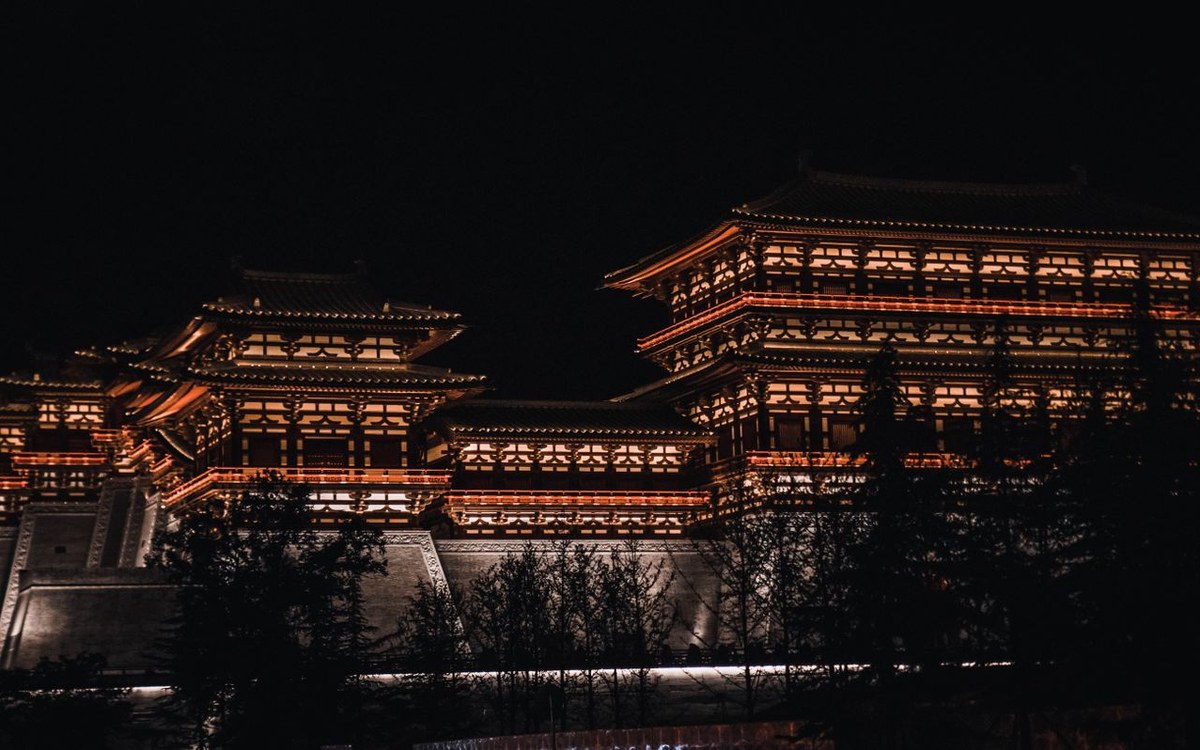 9-Day In-Depth Han and Tang Tour · Including Qianling Tomb and the Entire Hanzhong Route
 Zheng, Bian, Luo April 4 · Three sections of Central Plains
 Henan 6-Day In-Depth · Shaolin and Yinxu
 10-Day Deep Ancestral Tour of China · Jin South and Heluo Combined Route