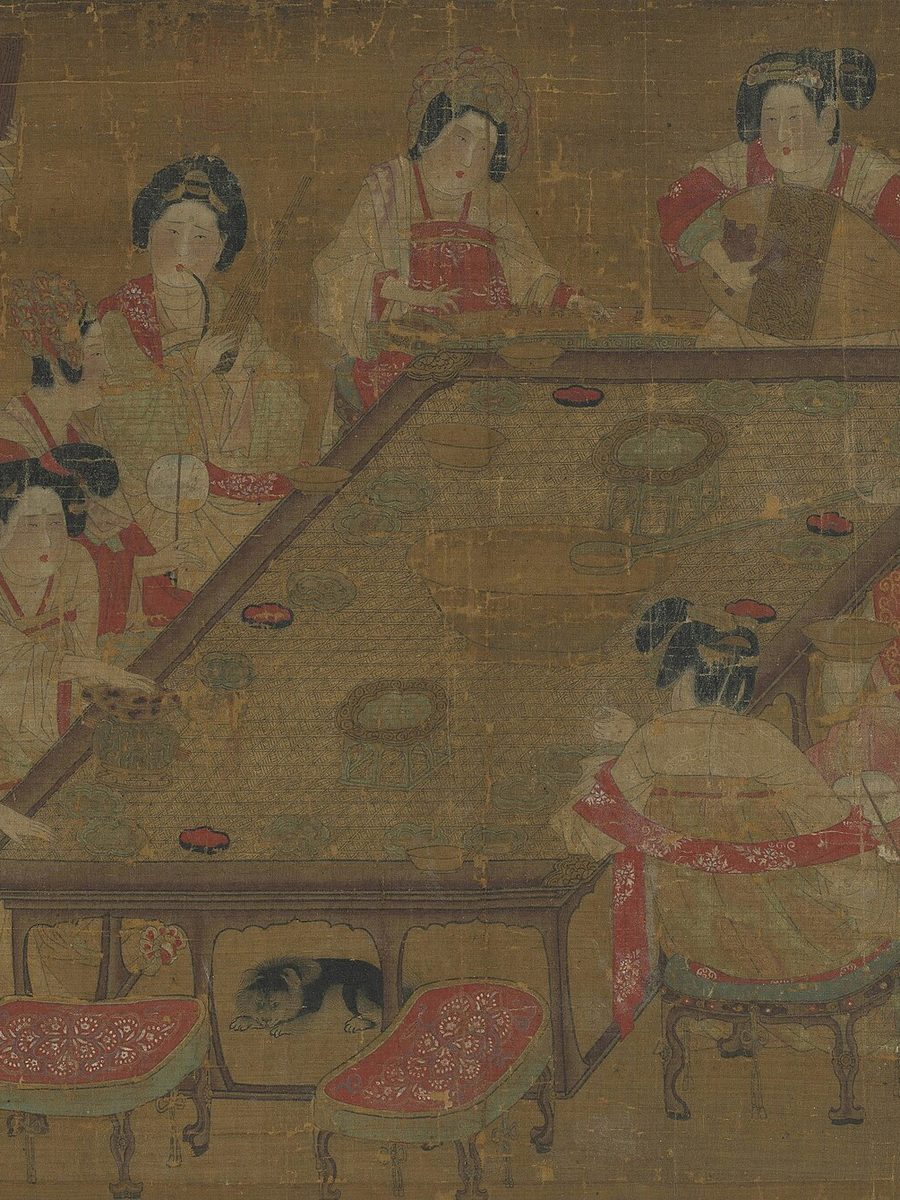
Taipei National Palace Museum Travel Guide
Jadeite Cabbage · Meat-shaped Stone · Northern Song Calligraphy and Painting
The National Palace Museum, located in WaiShuangXi, Taipei, Taiwan, China, houses nearly 700,000 cultural artifacts, with its Song and Yuan dynasty paintings, Song dynasty ceramics, and Qing imperial treasures being the most famous. The Jadeite Cabbage and the Meat-Shaped Stone are two items that you must see even if it means standing in line.
This site only handles information compilation and itinerary design; prices and bookings are based on final confirmation.
Destination Details
The National Palace Museum, located in Waishuangxi, Shilin District, Taipei City, Taiwan, China, was completed and opened in 1965. The museum houses nearly 700,000 pieces, primarily from the Qing Dynasty imperial collection, spanning from the Neolithic period to the late Qing Dynasty.
Key Highlights
Jadeite Cabbage and Meat-Shaped Stone
These two are the museum's most popular "star" pieces: The Jadeite Cabbage is expertly carved from a single piece of jadeite according to its natural colors into a cabbage with insects; the veins of the leaves and insect antennae are intricately detailed. The Meat-Shaped Stone is agate with natural patterns modified by craftsmen to resemble a piece of braised pork. Both pieces are small and require a close look.
Northern Song Dynasty Paintings and Porcelain
The true backbone of this museum is its paintings and porcelain: Fan Kuan's "Travellers Among Mountains and Streams," Guo Xi's "Early Spring," and Li Tang's "Pine Wind in Ten Thousand Valleys" are indispensable works in art history; Ru kiln, Ding kiln, and Jun kiln Song porcelains are standard pieces in the history of ceramics. These exhibitions are permanent but rotate, so it is recommended to check the current exhibits in advance.
Qing Dynasty Treasures
There are large quantities of enamels, jade carvings, ivory, and cloisonné pieces, all with extremely high craftsmanship, allowing a direct view of the aesthetics and techniques of the Qing imperial court.
Suggested Route
- Three-hour version: First floor, Qing Dynasty treasures → Second floor, paintings → Third floor, artifacts → Jadeite Cabbage and Meat-Shaped Stone.
- Combine with Shilin Night Market, Yangmingshan, and Beitou Hot Springs for a full day in Taipei.
Practical Information
Take the MRT Tamsui-Xinyi Line to Shilin Station, then transfer to a bus for about fifteen minutes. It is recommended to enter when the museum opens and head straight to the exhibition hall where the Jadeite Cabbage is to avoid the crowd. Flash photography and tripods are prohibited inside. Renting an audio guide is worthwhile. The exhibition halls are large and the route is long, so wear comfortable shoes.
Routes that include this stop
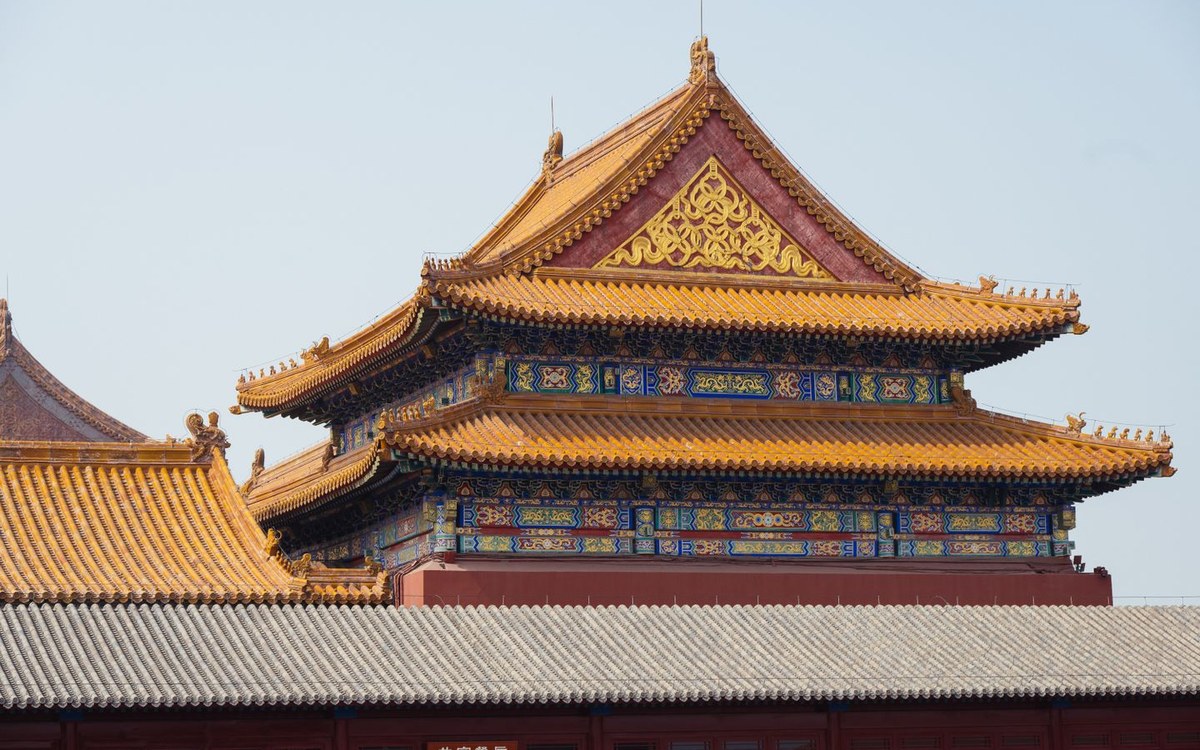 Beijing Classic 4 Days · Central Axis and Great Wall
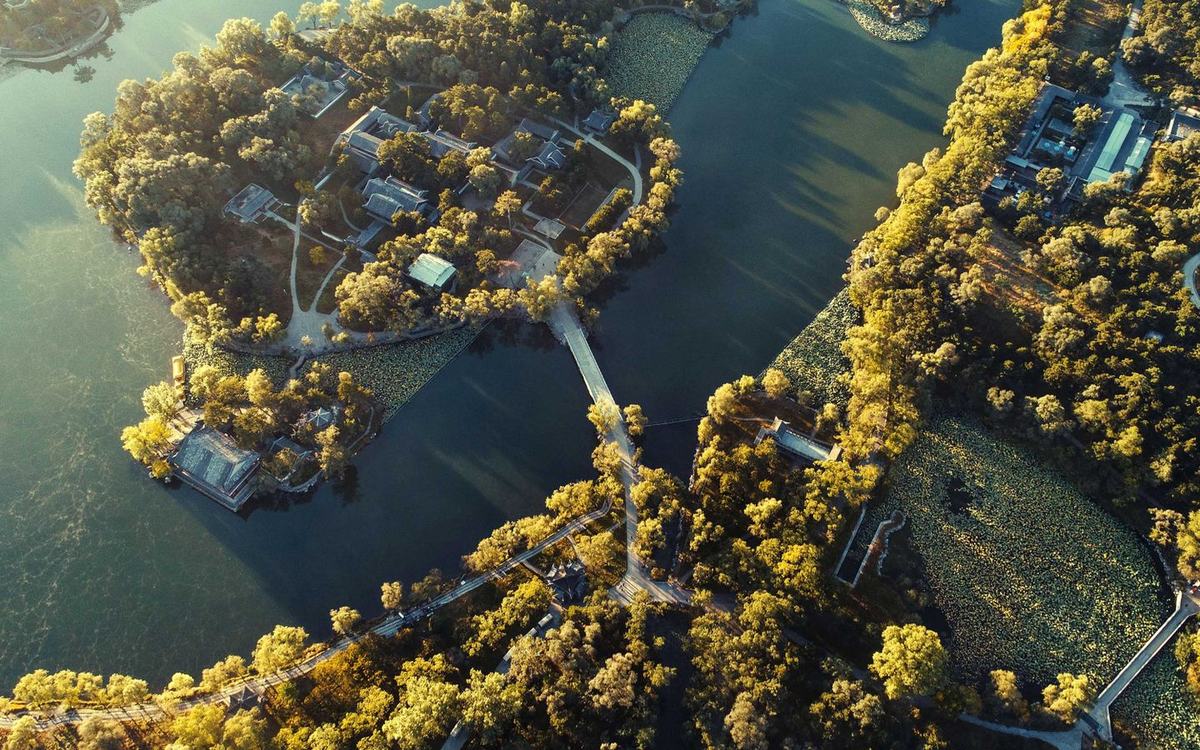 Beijing 6-Day In-Depth · Two Sections of the Great Wall and Chengde
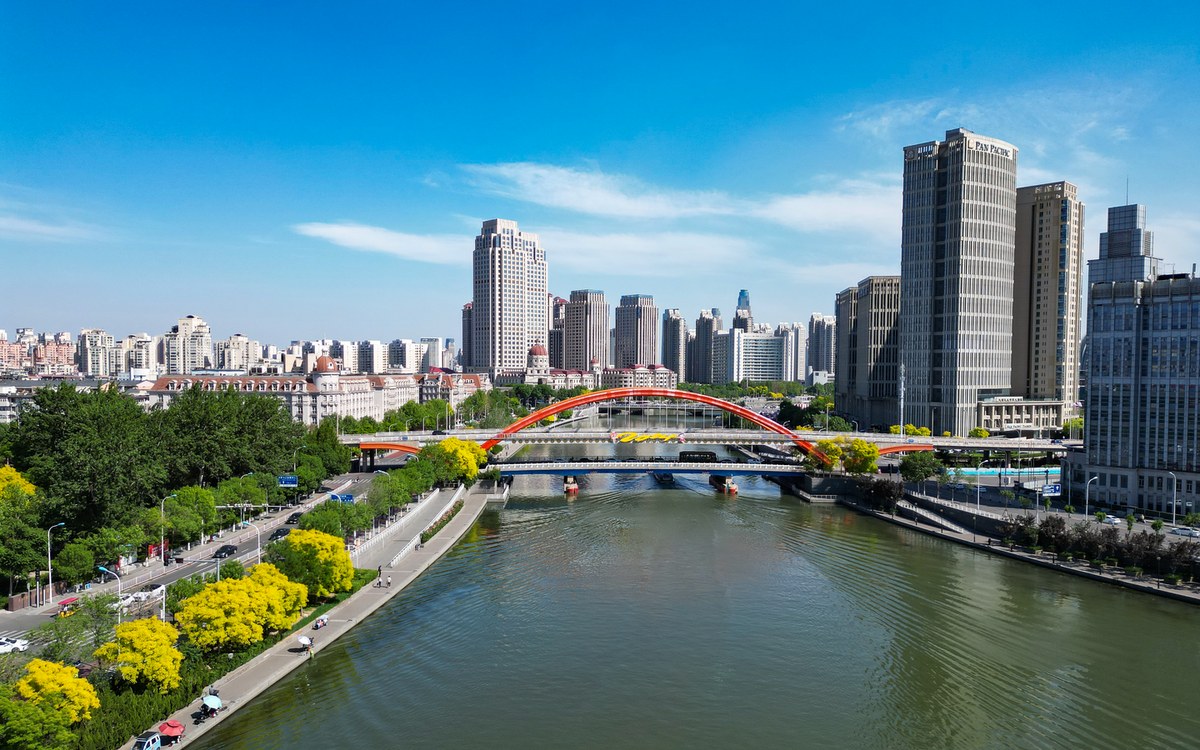 Four-Day Trip to Beijing and Tianjin · The Imperial Capital and the Concessions
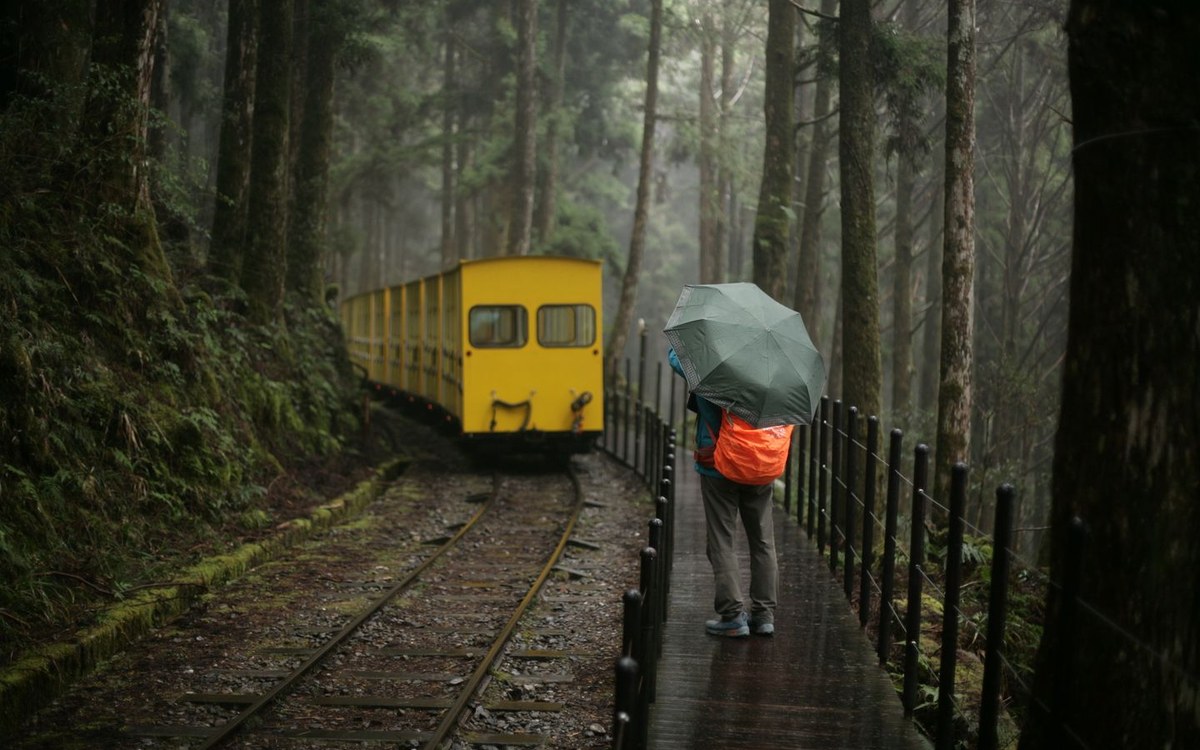 Taiwan, China 9-Day Island Tour · Mountains, Sea, and the East Coast
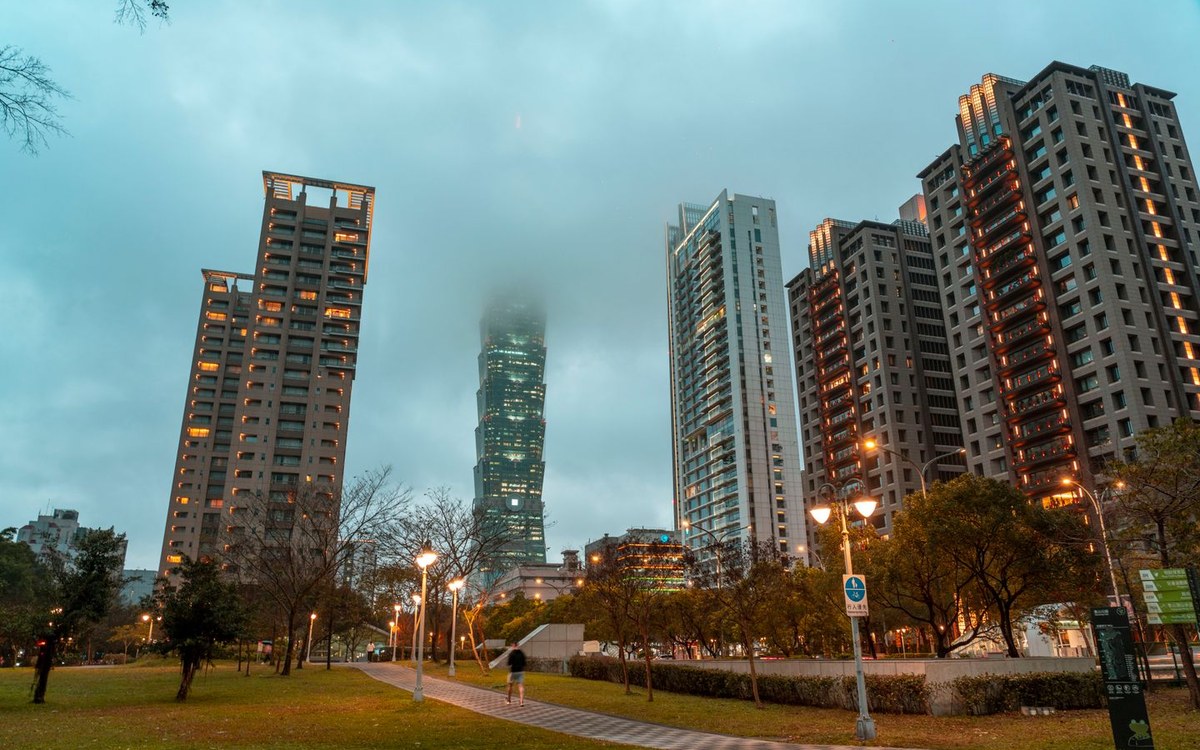 Taiwan, China West Line 6 Days · Taipei and Sun Moon Lake