Great Wall First Pier Travel Guide
Western end of the Ming Great Wall · Discuss Laixiang Gorge · Gobi
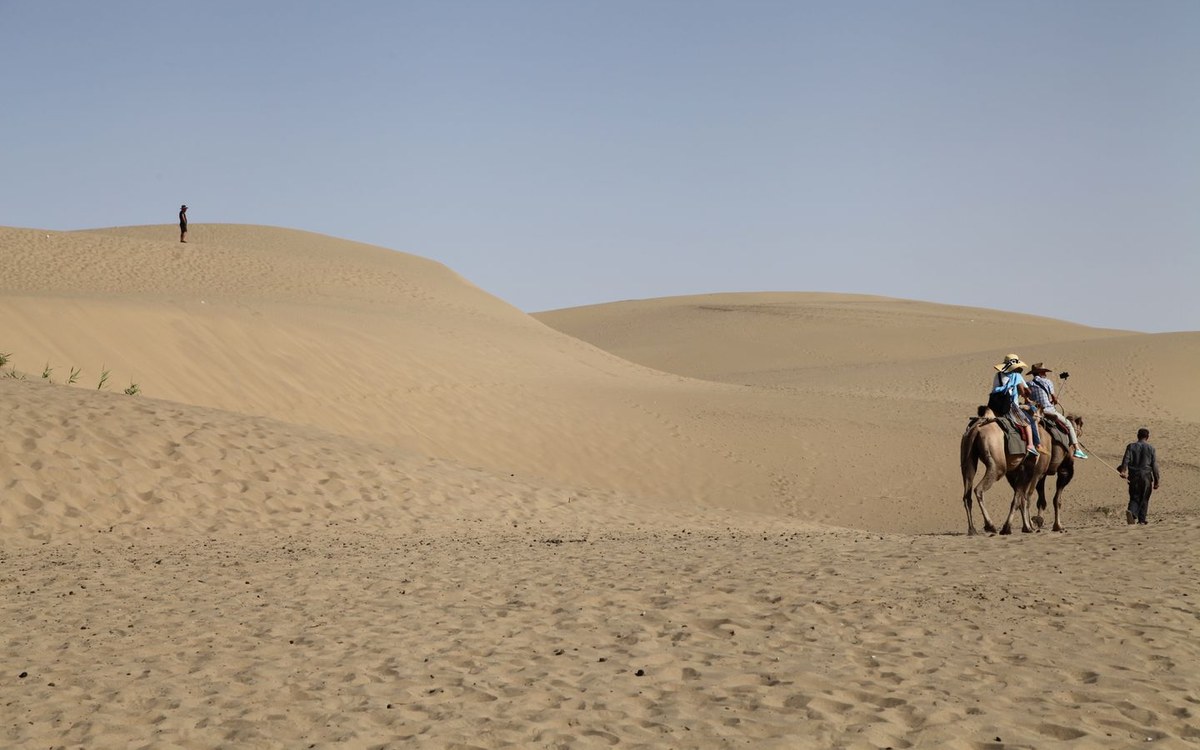
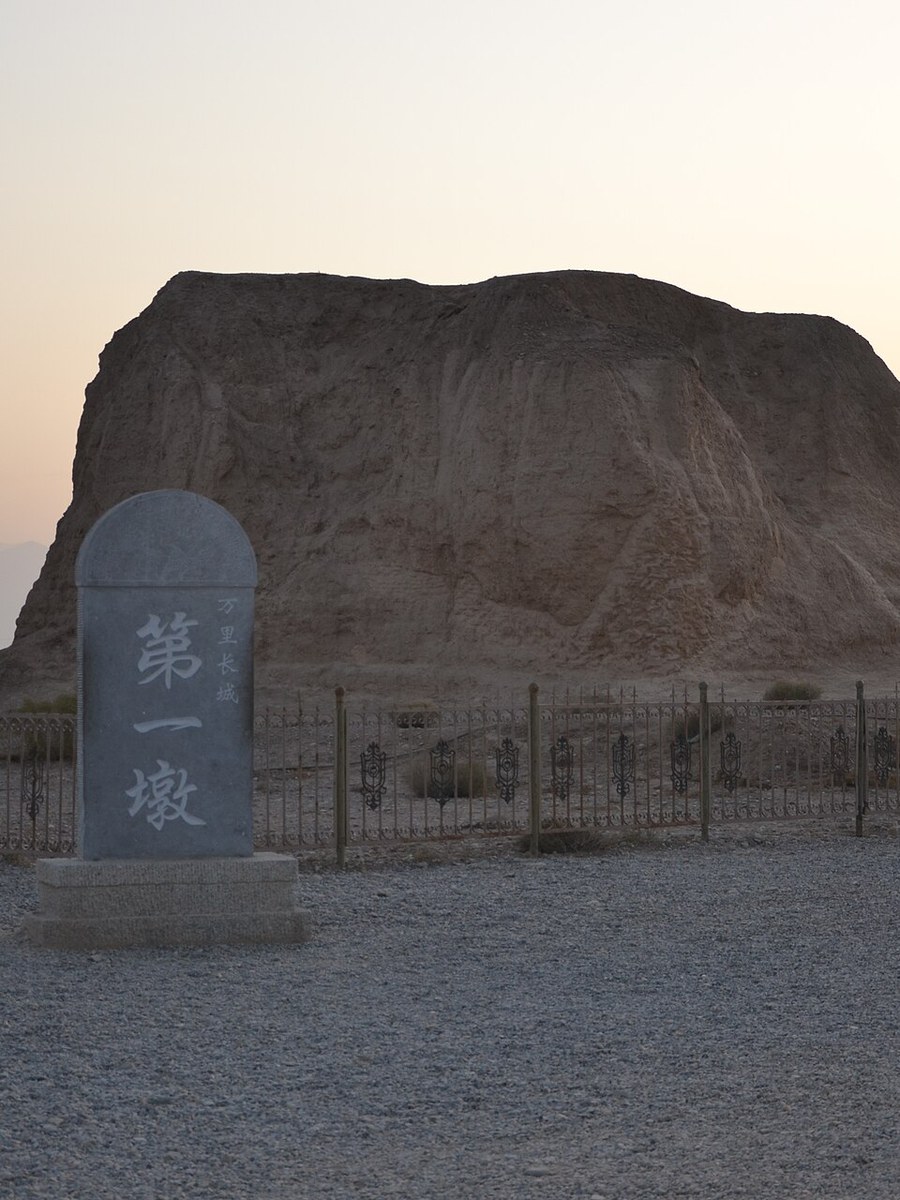
The First Beacon Tower of the Great Wall is the westernmost beacon tower of the Ming Great Wall, standing on the edge of the Gobi cliff on the north bank of the Taolai River. From here, the Great Wall extends eastward for thousands of miles, with a gorge dozens of meters deep at its feet and the remaining ridges of the Qilian Mountains on the opposite bank.
This site only handles information compilation and itinerary design; prices and bookings are based on final confirmation.
Destination Details
The western starting point of the Ming Great Wall is not at Jiayuguan Pass, but at this first watchtower about seven kilometers south of the pass. It is called the "First Tower," with the official name "Taolaihe Tower," built on a cliff over fifty meters above the riverbed, flanked by the Qilian Mountains on the south bank of the Taolai River.
Main Highlights
The Tower Itself
Built with rammed earth, the remaining height is about ten meters, and its shape is a square pyramid. After more than five hundred years of weathering, clear layers of rammed earth can be seen on the surface. A restored beacon tower and information board stand nearby, explaining how military messages were transmitted during the Ming dynasty.
The Canyon and Viewing Platform
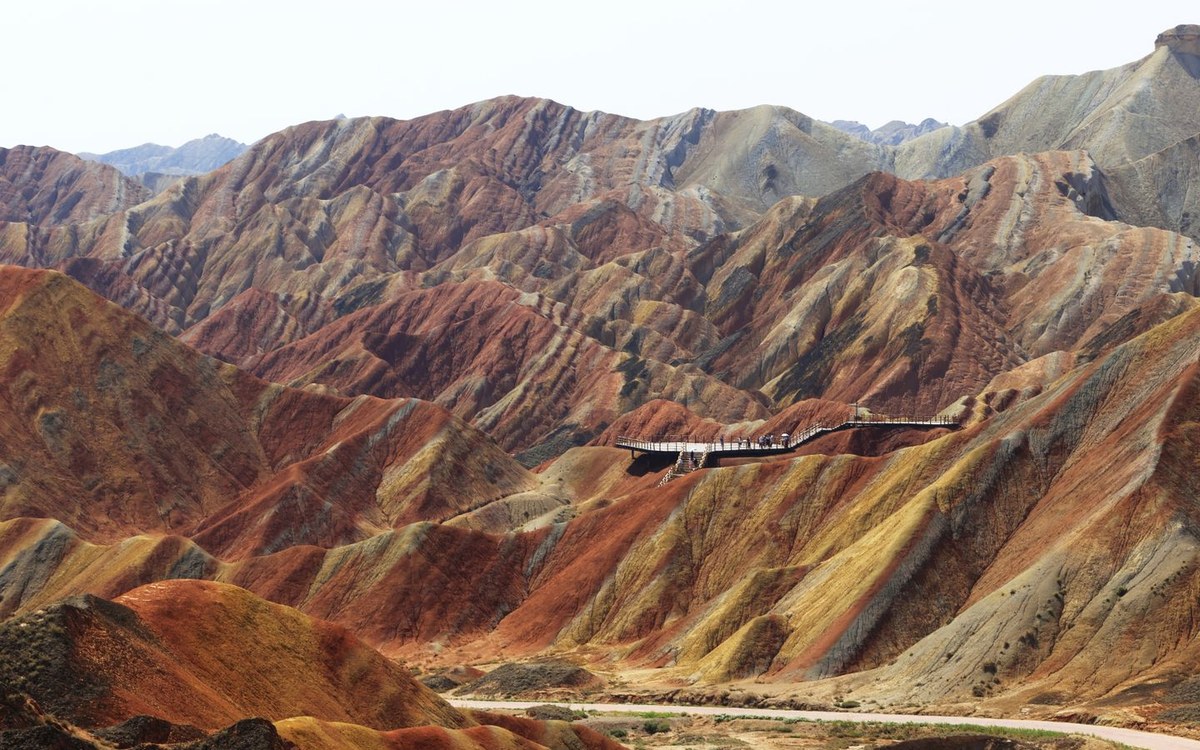
What truly leaves a deep impression is the canyon below: the Taolai River cuts a deep gully through the Gobi Desert, with the water at the bottom so thin it looks like a line. The scenic area has built a glass and steel viewing platform extending over the cliff, from which visitors can see the tower, canyon, and distant snow-capped mountains at the same time.
Suggested Route
- Jiayuguan Pass → Cliff Great Wall → First Tower of the Great Wall, completing the three highlights of the Ming Great Wall in half a day.
- Short on time: just visit the First Tower, 1 hour is enough.
Practical Information
There is no shade here; the ground temperature is very high at noon in summer, so morning or evening is recommended. At sunset, the rammed earth of the tower turns orange-red, making it the best time for photos. The edges of the canyon are windy, and hats can easily be blown away.