Terracotta Warriors Travel Guide
The Mausoleum of the First Qin Emperor · Pit No. 1 · Bronze Chariot and Horses
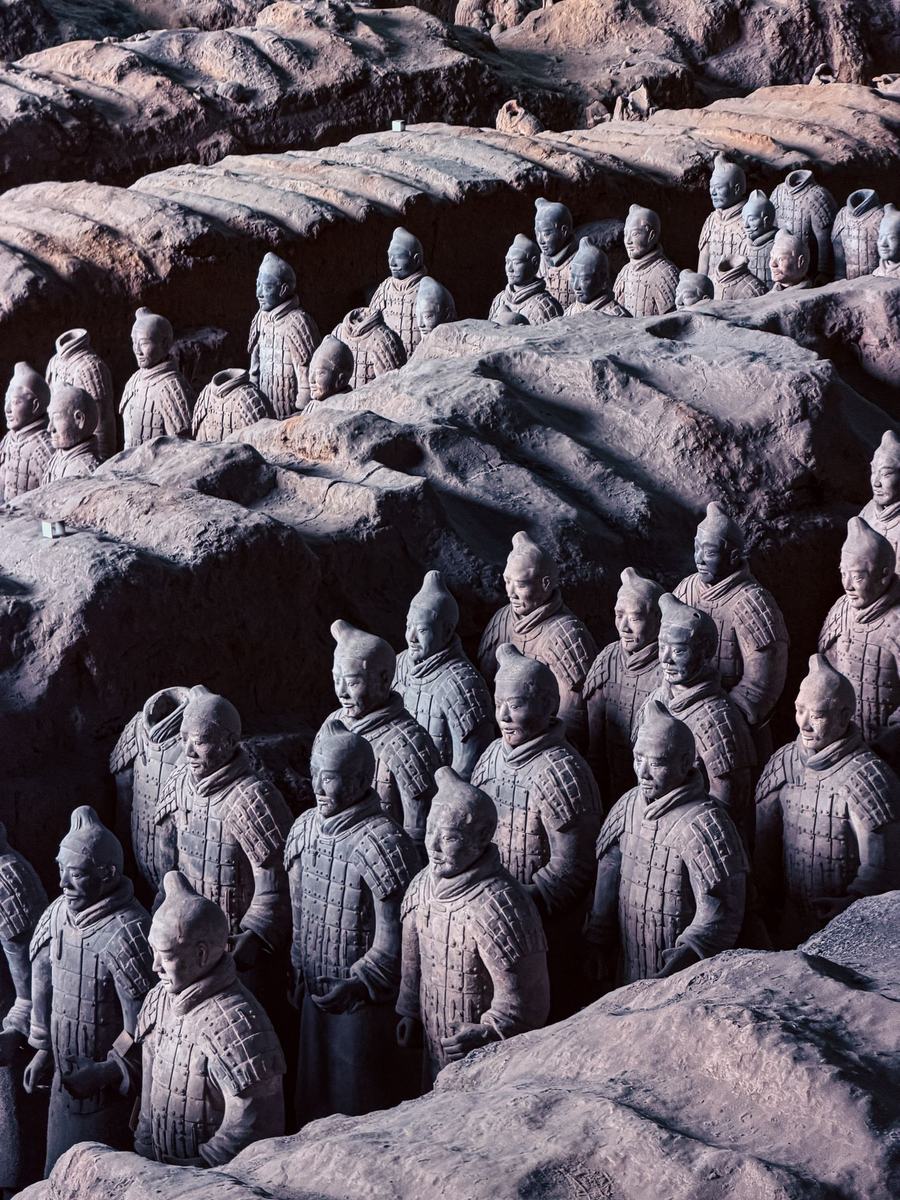
The Terracotta Army is one of the most important archaeological discoveries of the twentieth century: three pits of figures plus an unfinished fourth pit, with eight thousand clay warriors arranged according to real military formations, each face different. Standing in front of Pit One, the first impression is more striking than any photograph.
This site only handles information compilation and itinerary design; prices and bookings are based on final confirmation.
Destination Details
The Terracotta Army is located about 40 kilometers east of Xi'an, in Lintong, on the northern slope of Mount Li. In 1974, several farmers dug up the pottery figures while digging wells, and over forty years of excavation thereafter, a complete Qin Dynasty military formation was restored to the surface. The most striking aspect is not the "exquisiteness," but the "quantity"—eight thousand life-sized pottery figures arranged in front row, main body, flanks, and rear guards. Standing at the edge of the pit and looking inside, you realize this is an army buried for over two thousand years
Key highlights
Pit No. 1
Thelargest and most famous pit. After entering the museum, you walk around the edge of the pit, first viewing the depth of the entire formation from the side, then heading to the front to see the three rows of armor. The pottery figurines originally had paintings, but after being unearthed and exposed to air, they quickly oxidized and peeled off. The earthy yellow you see now is the 'faded appearance.' The museum has a dedicated mural protection area to explain this
Pit No. 2 and the Essence Hall
Pit 2 is a mixed mix of crossbowmen, cavalry, and chariots, making excavation difficult and still ongoing. The adjacent Highlights Hall displays the best-preserved figures such as kneeling archers, standing archers, and general figures, perfect for close viewing of hair buns, armor plates, and shoe soles
Bronze Chariot and Horse Pavilion
Many people leave after seeing the pit, but the bronze chariot and horse is actually underrated: two bronze chariots and horses made at half the size of a real person's chariot and horse, with movable umbrellas, reins, and harnesses, far exceeding the standards of the same period. It's recommended to stay for 40 minutes
Suggested traffic flow
- Half-day version: Pit 1 → Pit 2 → Pit 3 → Bronze Carriage Hall, about 3 hours
- One-day version: Terracotta Warriors in the morning, Qin Shi Huang Mausoleum (including the K0007 burial pit) in the afternoon, return to the city in the evening
- Together with Huaqing Pool, it belongs to Lintong and can be combined into a one-day eastern route tour
Local reminder
- Real-name time-based reservations across the entire internet; tickets are basically not available on peak season days, so be sure to advance early
- The museum area is large, and there's still some distance from the entrance to the figurine pit. Wear comfortable shoes
- Explanations are very necessary; otherwise, it's easy to just watch the excitement; On-site audio guides and manual explanations are both convenient Flash
- and selfie sticks are strictly prohibited inside the pit
Routes that include this stop
 Essence of Han and Tang in 4 Days · Xi'an and Luoyang
 Han and Tang Classics 7 Days · Xi'an, Hanzhong, Luoyang
 9-Day In-Depth Han and Tang Tour · Including Qianling Tomb and the Entire Hanzhong Route
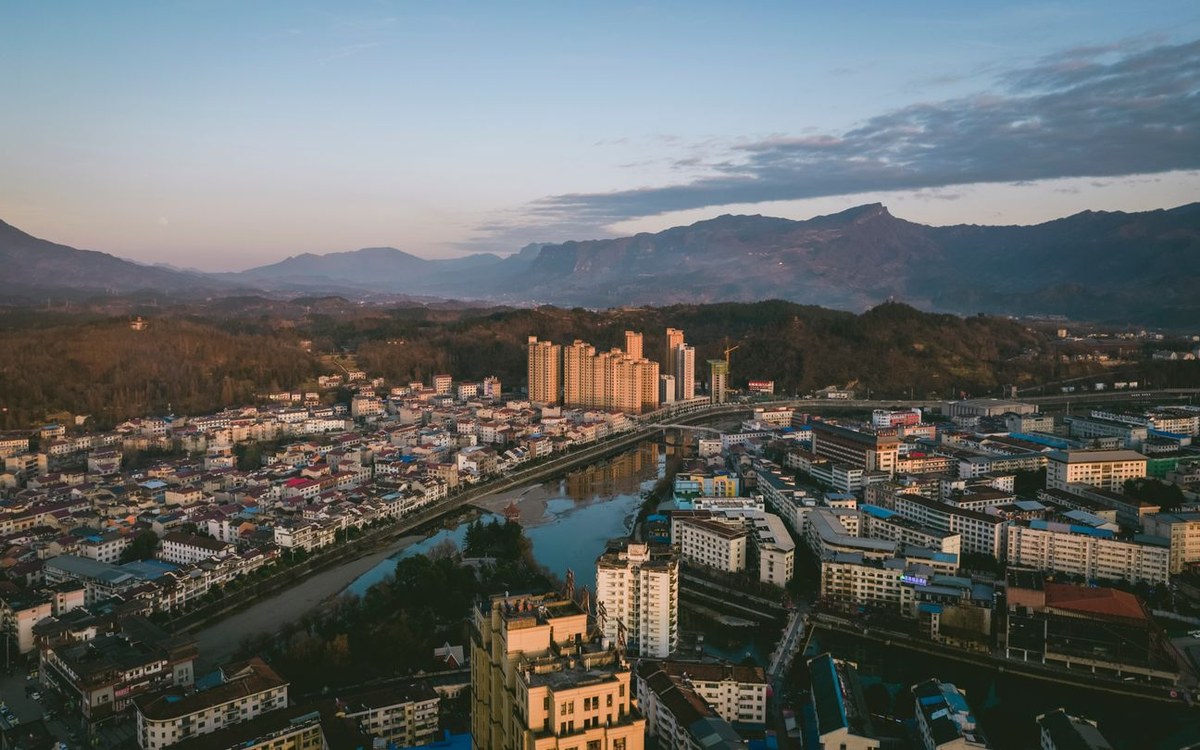 Hanzhong, Southern Shaanxi, 8th · Qinling Mountains and the Three Kingdoms
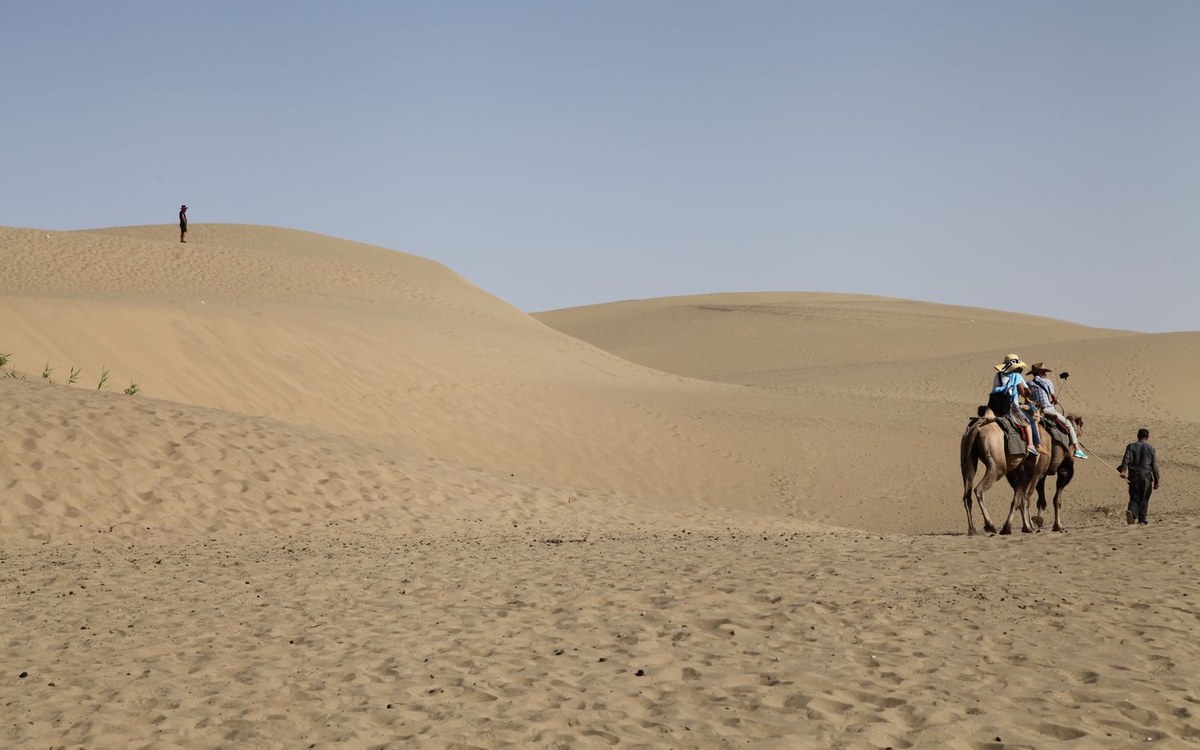 Silk Road Classics 9 Days · Hexi Corridor Direct to Dunhuang
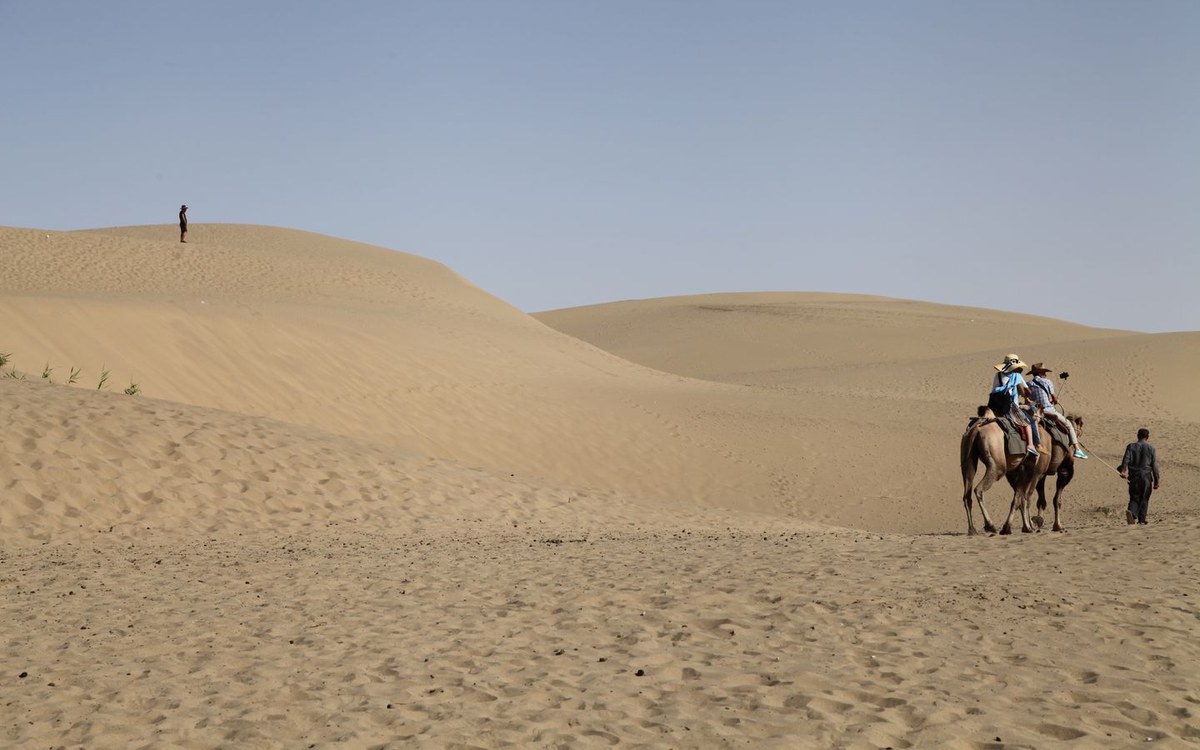 Silk Road 13 Days · Full Route from Chang'an to Congling