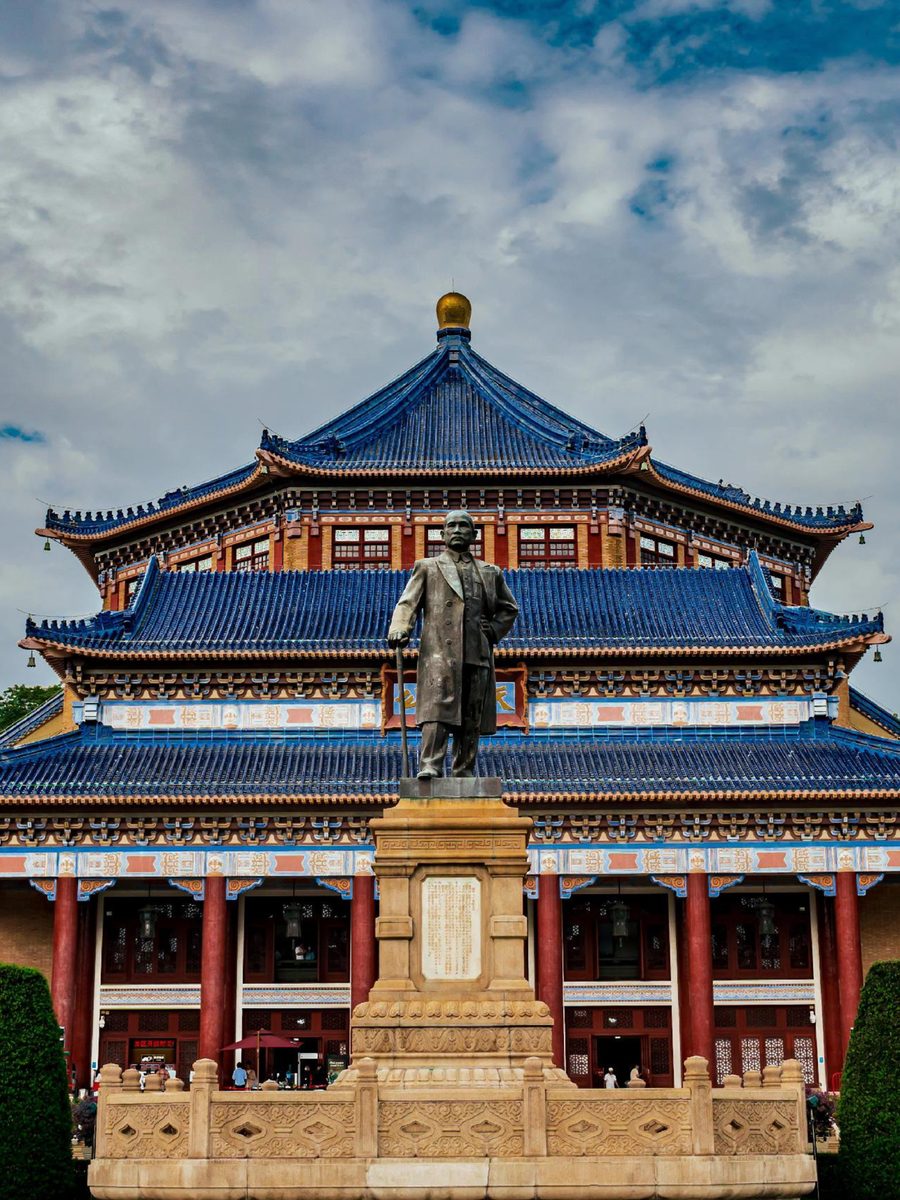
Shanxi Museum Travel Guide
The Hegemony of the Jin State · Heavy Bronze Artifacts · Buddhist Statue Art
The theme of the Shanxi Museum is 'The Soul of Jin': from the Paleolithic artifacts of Dingcun to Jin dynasty bronzes, Northern Dynasties Buddhist statues, and Ming dynasty glazed ceramics, all the way to the Shanxi merchants. The treasure of the museum is the Jin Hou Bird-shaped Zun, one of the most exquisite bronzes of the Western Zhou period.
This site only handles information compilation and itinerary design; prices and bookings are based on final confirmation.
Destination Details
The Shanxi Museum is located on Binhe West Road in Taiyuan City, and its building is shaped like an inverted dougong bracket. The permanent exhibition centers on the theme of "Spirit of Jin," divided into seven historical sections and five art sections, providing a clear context and making it the most efficient stop for understanding Shanxi (the former territory of the Jin state, a core region of the Northern Dynasties, and home to the merchant guilds of the Ming and Qing).
Highlights
Jin Marquis Bird Zun
Excavated from the tomb of the Jin Marquis in the Western Zhou period, it is crafted in the form of a phoenix-like bird looking back, with its tail curling down into an elephant head shape. The craftsmanship and imagination are top-notch. It serves as the museum's symbol and is the only item displayed in its own dedicated cabinet.
The Hegemony of the Jin State
Displays bronzeware and chariot and horse artifacts from the Jin state, from the enfeoffment of Uncle Yu to the Partition of Jin, including sets of ding, gui, and bianzhong. Viewing this section before visiting Jin Shrine or Pingyao provides a completely different perspective.
Buddhist Influence and Civil Engineering Splendor
The former focuses on stone sculptures from the Northern Dynasties to the Tang Dynasty, while the latter discusses ancient Shanxi architecture (nearly 80% of pre-Yuan Dynasty wooden structures in China are in Shanxi), using models and components to explain dougong brackets and beam frameworks.
Recommended Duration
- 2.5 hours: Main exhibition.
- 3.5 hours: Add the art exhibition halls.
Local Tips
- Closed on Mondays; check ahead before your trip.
- Can be paired with a visit to Jin Shrine on the same day: museum in the morning, Jin Shrine in the afternoon.
Routes that include this stop
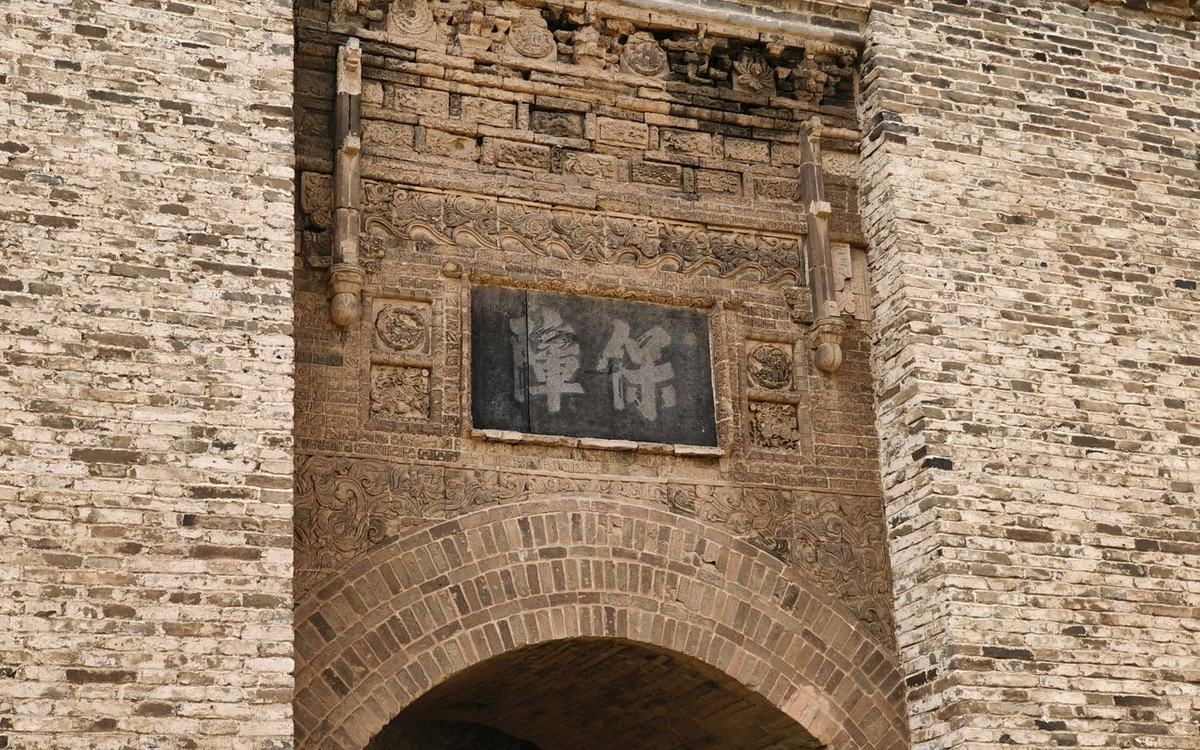 Ancient Buildings of Northern Jin 4 Days · Taiyuan Wutai Mountain Pingyao
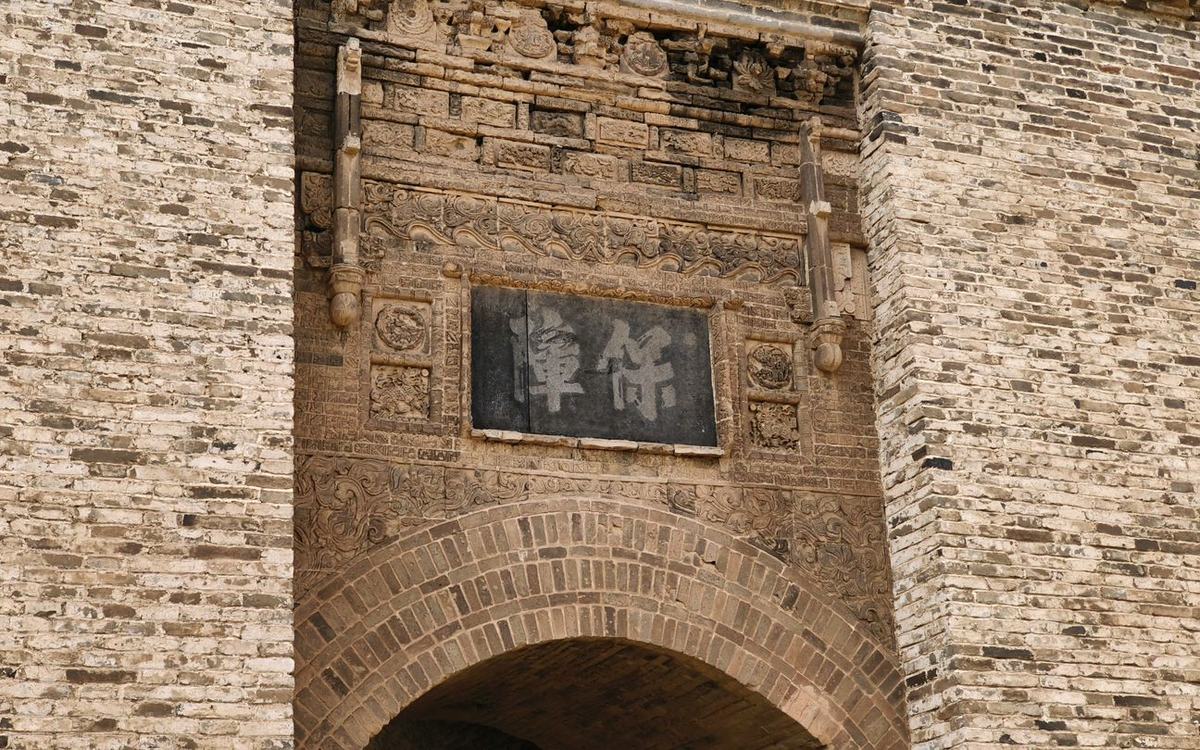 Jin Merchants Ancient Buildings 6 Days · Including Fo Guang Temple and Hongdong Great Pagoda Tree
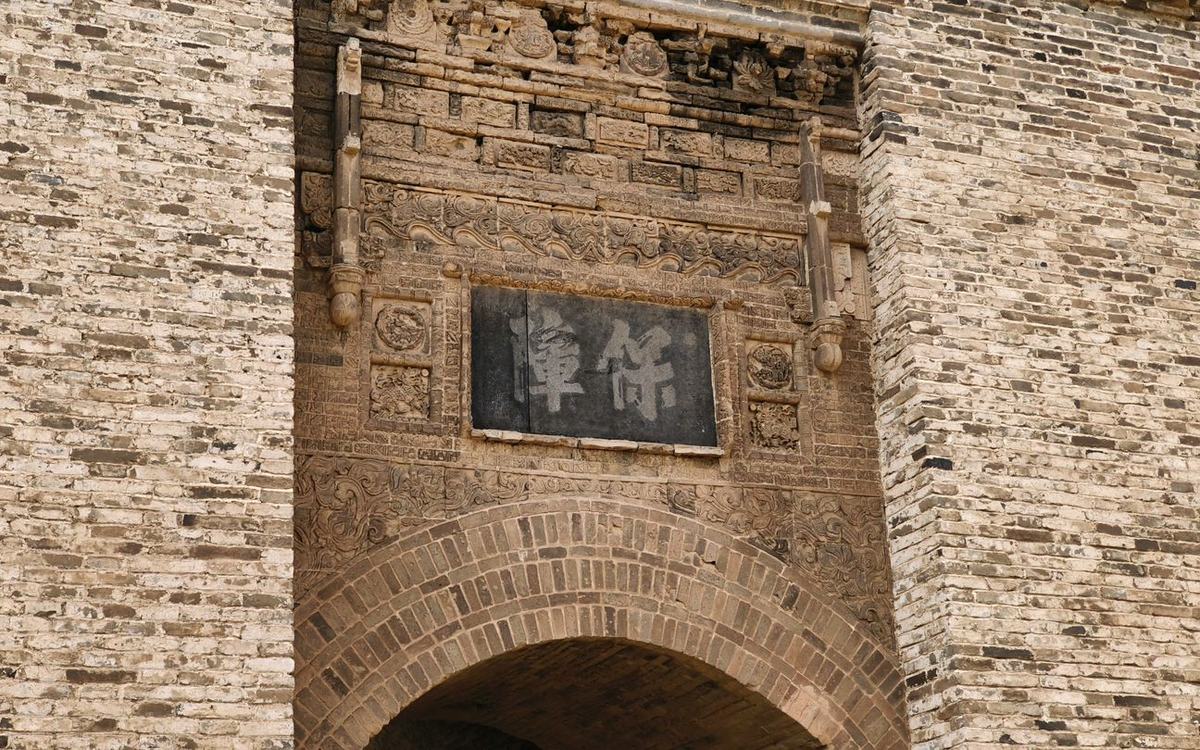 8-Day In-Depth Tour of Ancient Shanxi Merchants' Architecture · Including Linfen and Guangsheng Temple
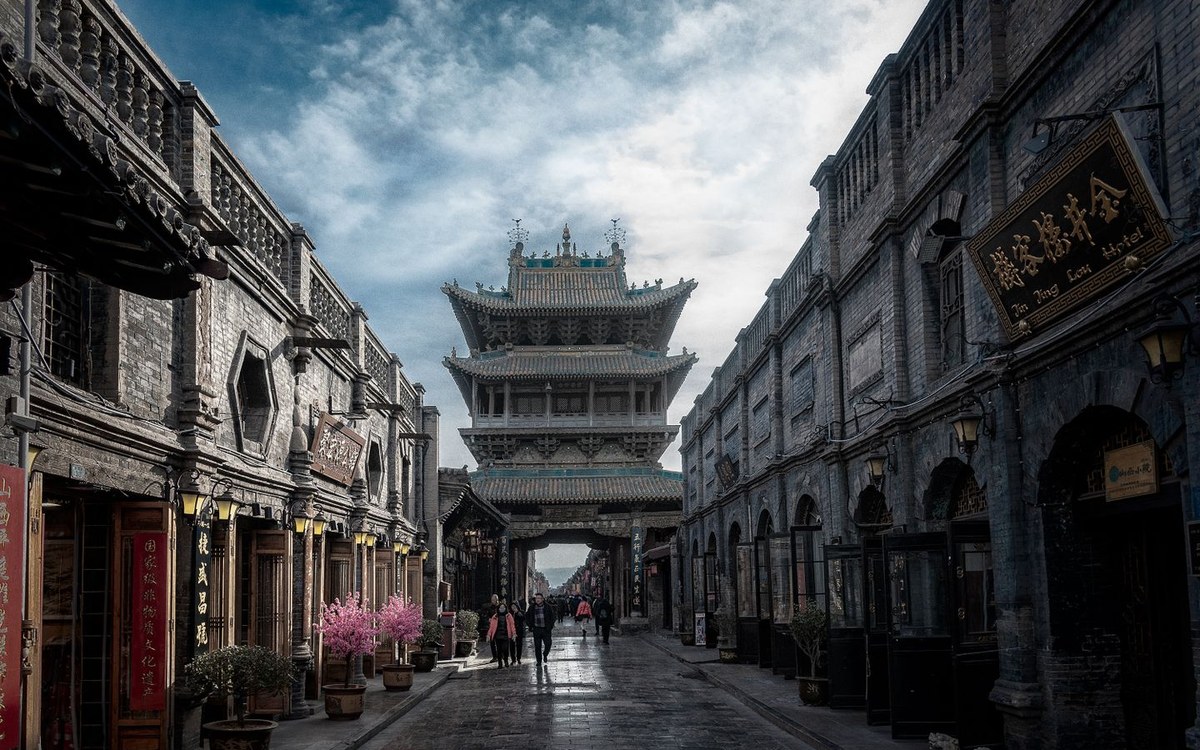 Jinchong 5th · Pingyao and Taiyuan
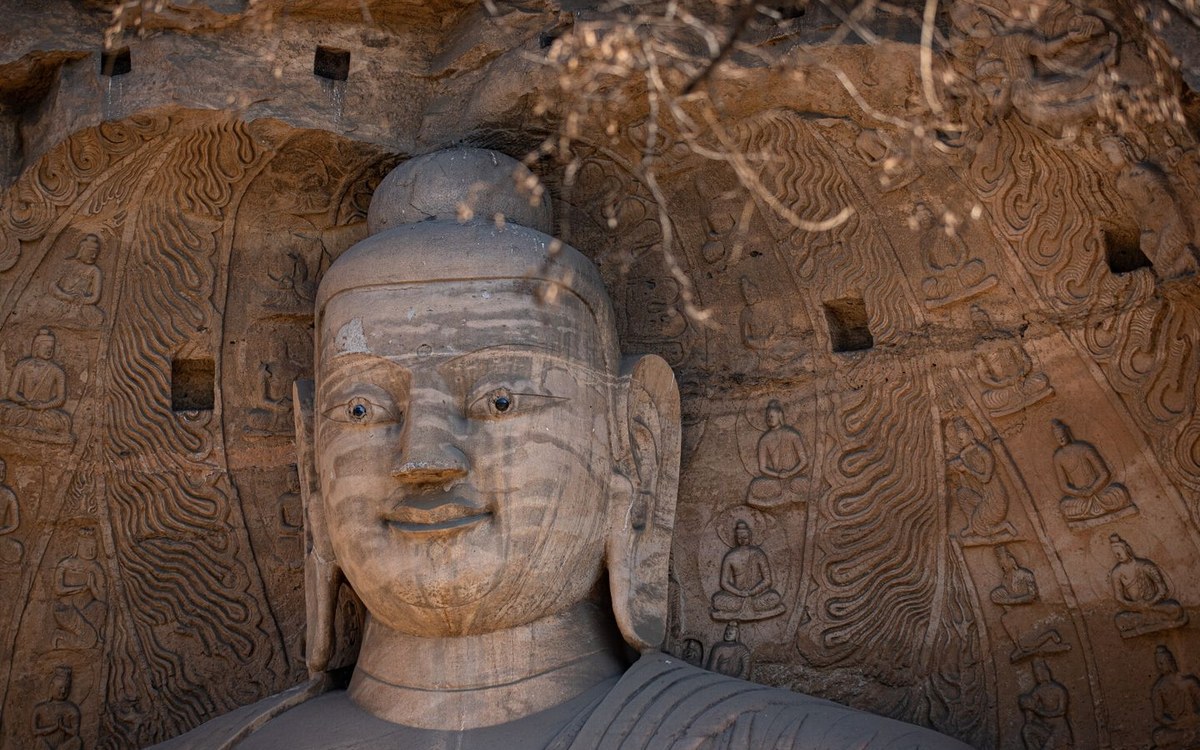 7 Days in Northern Shanxi Ancient Architecture · Yungang and Wutai