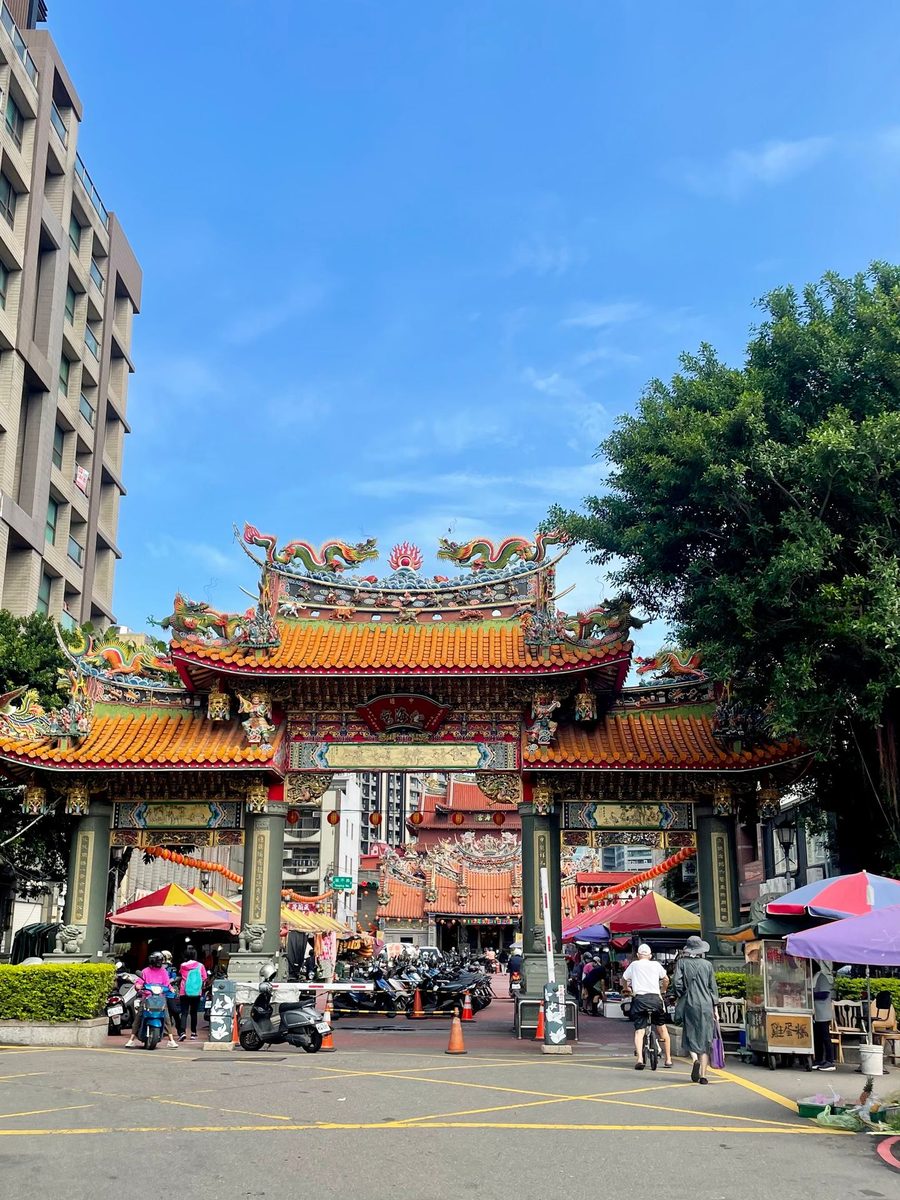
Dai Temple Travel Guide
Taishan Divine Palace · Tianyuan Hall Mural · Han Cypress
Daimiao Temple is the place where emperors of successive dynasties worshiped the God of Mount Tai, with a scale equivalent to a royal palace. The main hall, Tianquandian, houses a 62-meter-long mural titled 'The God of Mount Tai Inspires the Imperial Procession' and Return of the Imperial Carriage,' which is one of the longest surviving ancient mural paintings on palace walls in China.
This site only handles information compilation and itinerary design; prices and bookings are based on final confirmation.
Destination Details
The Dai Temple is located on the southern slope of Mount Tai, right in the center of Tai'an City. It was the place where ancient emperors held sacrificial ceremonies before performing the Fengshan sacrifice at Mount Tai. It has a very high standard of architecture—city walls surrounding it, corner towers facing each other, and the main hall featuring double-eaved hip-and-gable roofs, all reflecting the language of royal architecture.
Highlights
Tianque Hall and Murals
The main hall is nine bays wide, and murals cover three interior walls depicting the "Scroll of the Deity of Mount Tai's Procession and Return," which is 62 meters long and illustrates the grand procession of the deity's departure and return, featuring more than 600 figures. The original work started in the Song dynasty and was later reproduced by subsequent generations.
Han Cypress Courtyard and Inscriptions
The courtyard has several ancient cypress trees, said to have been planted by Emperor Wu of Han, with trunks twisted like iron. The temple is filled with stone inscriptions, ranging from remnants of Li Si's small seal script from the Qin dynasty to imperial inscriptions of the Ming and Qing dynasties, making it the most concentrated site of Mount Tai's stone carving culture.
Suggested Route
- Classic route: Yao Can Pavilion → Tianque Hall → Han Cypress Courtyard → Stele Corridor → Rear Palace, approximately 1.5 hours.
- Visit Dai Temple in the morning and hike Mount Tai from the Red Gate in the afternoon for the smoothest plan.
Practical Information
Dai Temple is near the Red Gate, the starting point of the Mount Tai climb, making it suitable as a warm-up for the hike. The halls are dimly lit, and flash photography is prohibited. During peak season, tour groups gather, but before 9 AM, there are relatively fewer people.
Routes that include this stop
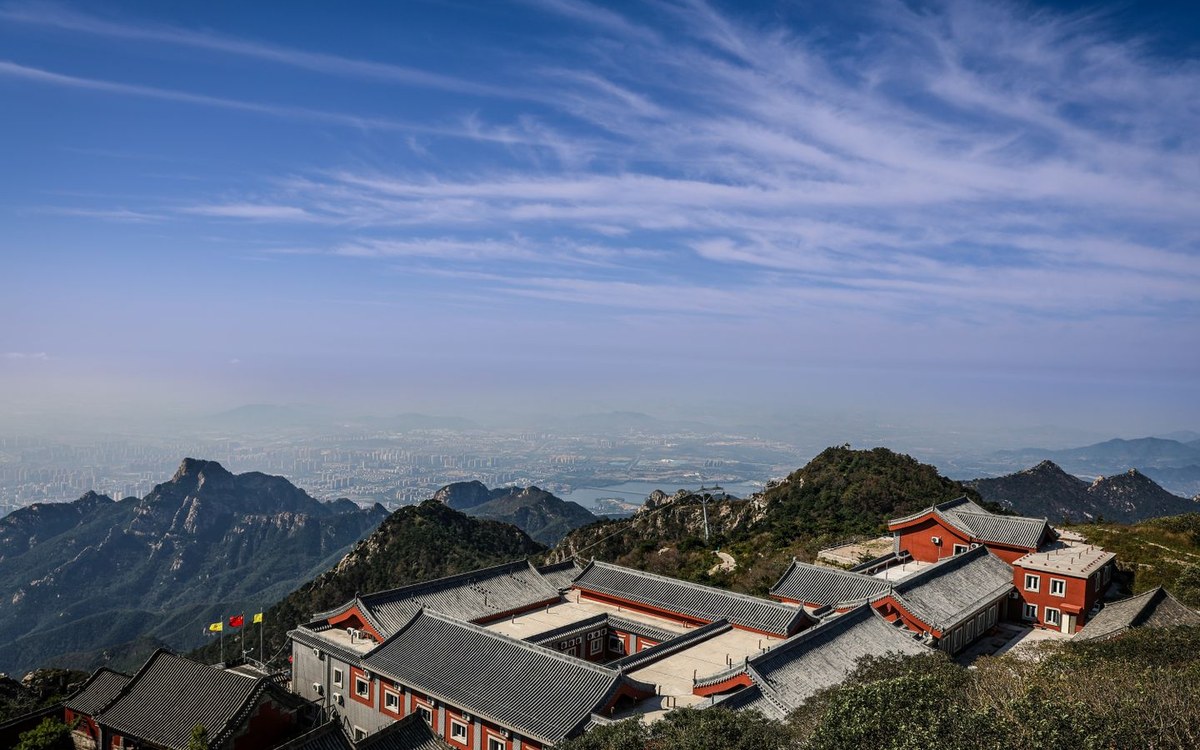 Jitai Song, April 4 · One Mountain, One Saint, One Spring
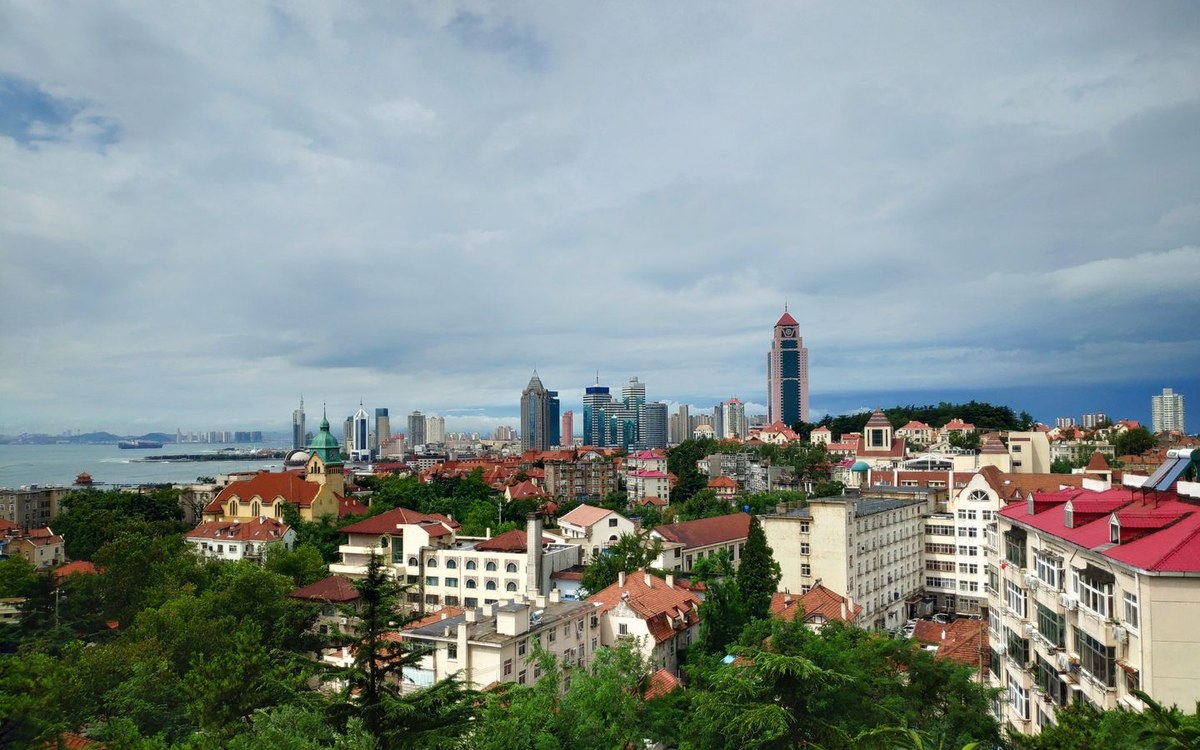 Shandong 6th · Plus Qingdao Coast
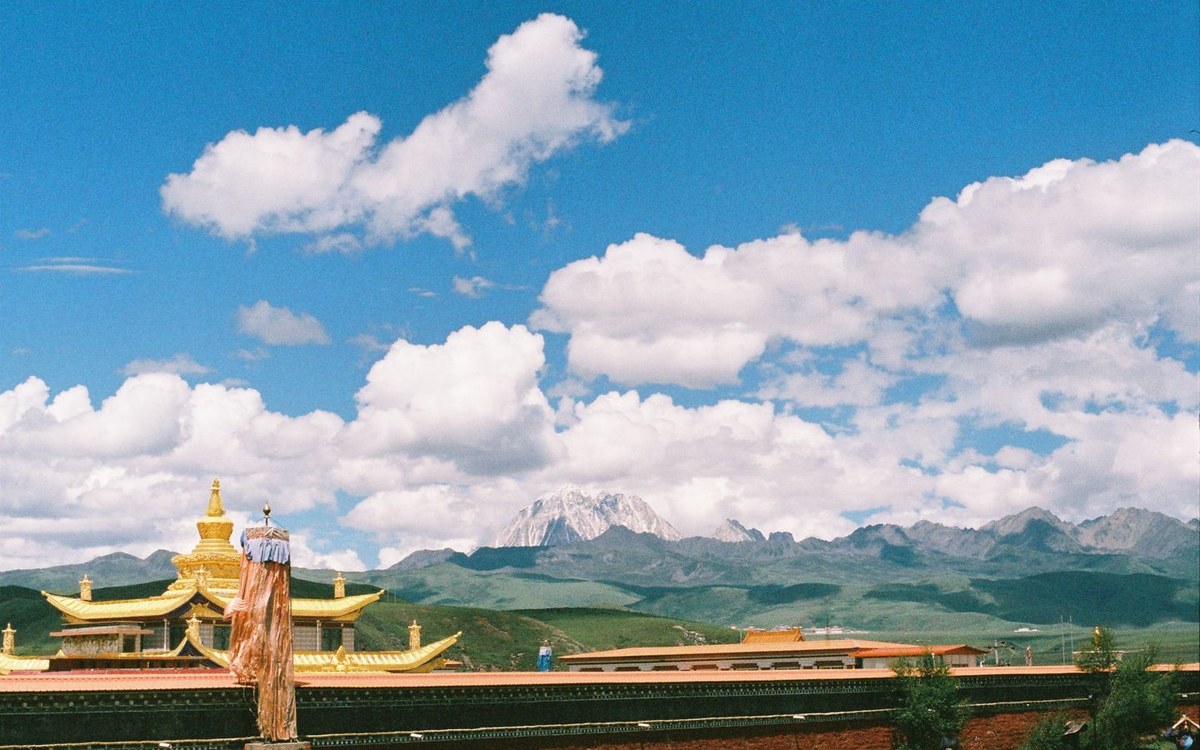 Five Sacred Mountains Selected 4 Days · Mount Tai, Mount Song, Mount Hua
 Seven-day pilgrimage to the Five Great Mountains · Two days at Mount Tai including Dai Temple
 Nine days deeply exploring the Five Great Mountains · Three days slowly climbing each of the three mountains